My Garden Must Haves

This post may contains affiliate links. If you click and make a purchase, I may earn a small commission at no extra cost to you. I only recommend products I personally use or genuinely believe in. Thank you for supporting 100 Perfect Gifts.
Garden Must-Haves That Actually Help When Your Plants Are Struggling
Some
That is the kind of
Not fancy. Not complicated. Not a garage full of things you use once and then forget about.
I’m talking about the practical
If you are growing tomatoes, peppers, herbs, flowers, cucumbers, squash, or a few patio plants, these are the
You can see my full
Why The Right Garden Must-Haves Matter
Gardening sounds peaceful until you walk outside and find holes in your leaves, yellowing plants, crispy edges, or a tomato plant that looks like it has given up on life.
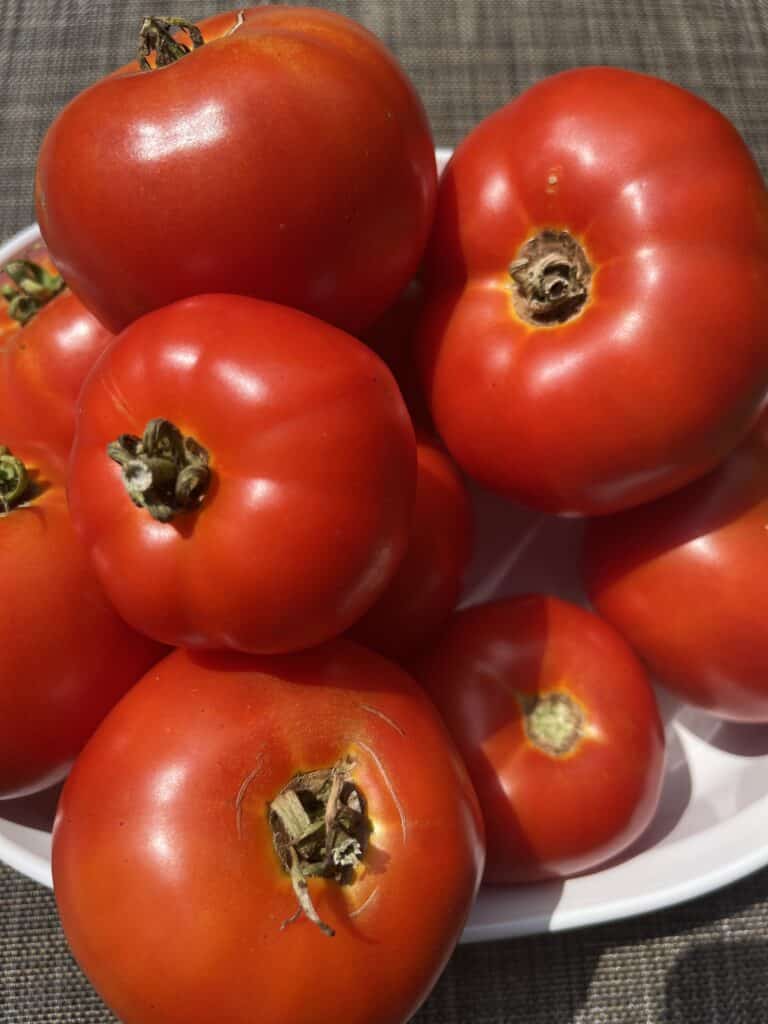
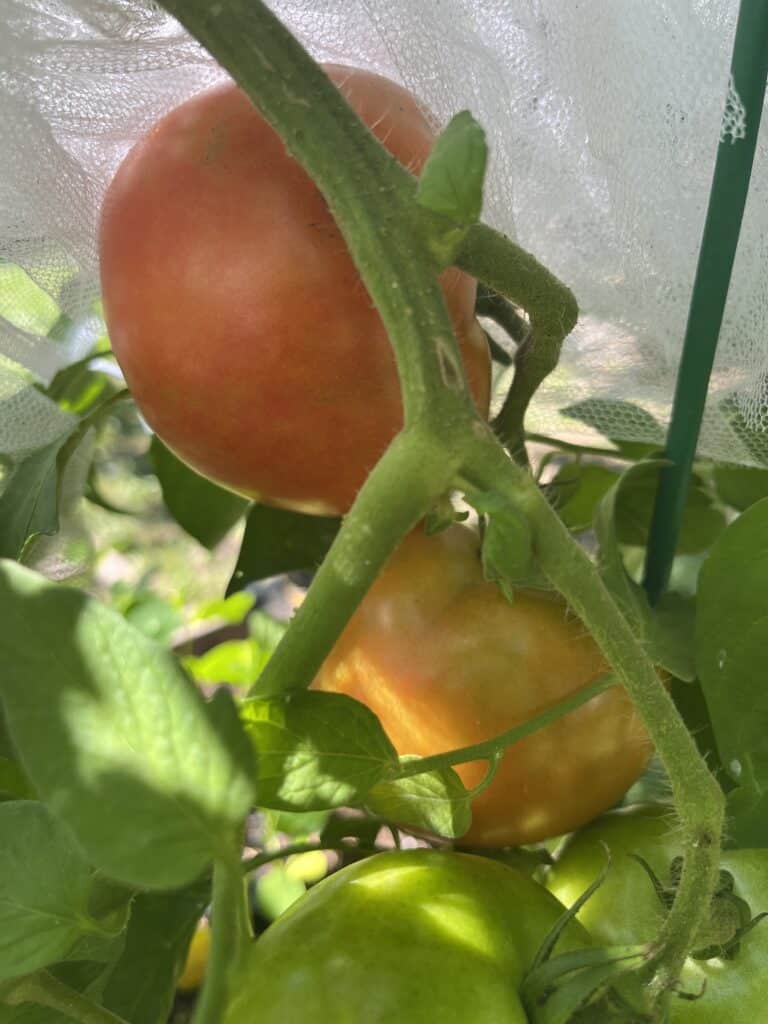
By the way, here are some of my tomatoes from this year.
That is usually when the guessing starts.
Maybe it needs water. Maybe it needs fertilizer. Maybe something is eating it. Maybe the sun is too much. Maybe the soil is tired.
And sometimes, yes, it is more than one thing at the same time.
The right
That does not mean you need every
You need practical things that actually earn their keep.
Garden Sprays For Bugs And Leaf Problems
A good
By the time you notice aphids, little whiteflies, mites, worms, or chewed-up leaves, you do not want to spend three days trying to figure out what to order. You want something on the shelf that can help right then.
Garden sprays can be helpful for pests, fungus problems, and leaf issues, but this is where you need to slow down and read the label. Not every spray is for every problem. Some are for bugs. Some are for fungal issues. Some are safe for vegetables. Some are not. Some can burn leaves if you spray in the heat of the day.
This is not the place to guess.
What Garden Sprays Help With
Garden sprays may help with things like aphids, spider mites, whiteflies, powdery mildew, black spot, and other common plant problems, depending on the product.
They can be especially helpful for tomatoes, peppers, cucumbers, squash, roses, flowers, herbs, and patio plants.
The trick is catching the problem early. Once a plant is completely covered in pests or disease, it is harder to turn things around.
What To Look For In A Garden Spray
Look for a spray that clearly says what it treats.
If you are spraying vegetables or herbs, make sure the label says it is safe for edible plants. Also check how long you need to wait before harvesting after spraying.
A ready-to-use bottle is nice if you do not want to mix anything. Concentrates can be a better value, but only if you are comfortable measuring and mixing.
And please do not spray in the blazing afternoon sun. That is a good way to stress your plants even more.
Grow Bags For Small Gardens, Patios, And Extra Planting Space
Grow bags are one of my favorite practical
Some of us are working with patios, decks, porches, sandy soil, clay soil, or that one sunny spot beside the house.
Grow bags give you more planting space without digging up the yard.
They are especially useful for tomatoes, peppers, herbs, potatoes, flowers, strawberries, and small-space gardening. If your yard soil is not great, grow bags let you start fresh with a better potting mix.
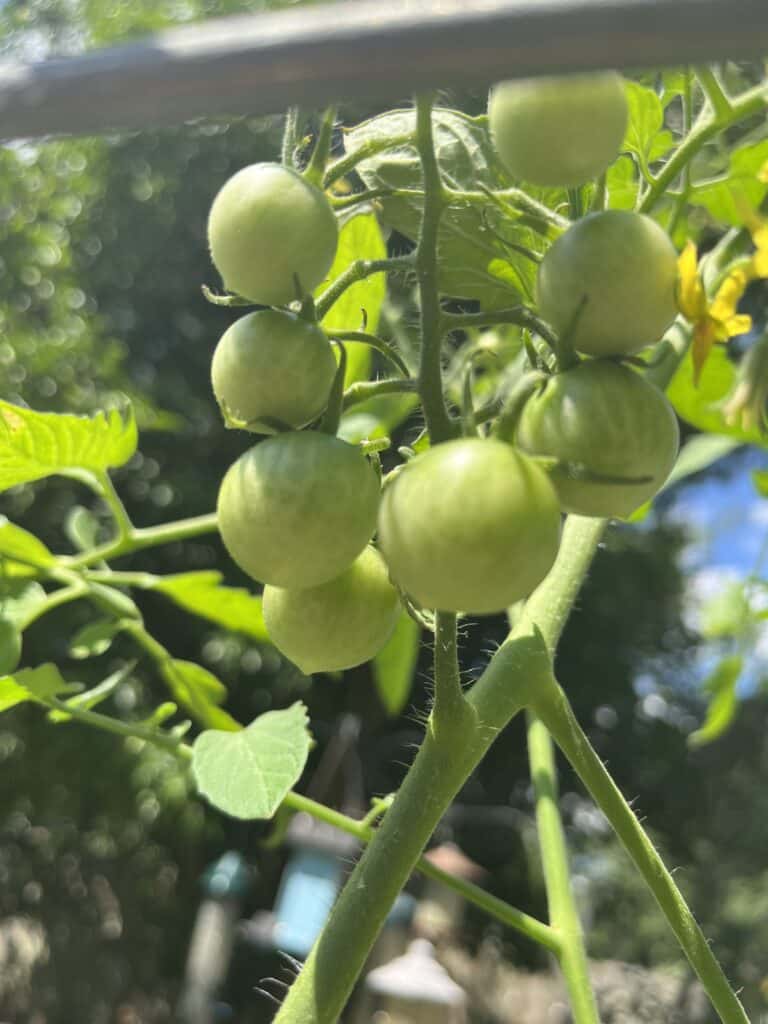
I have mostly raised beds, but you can still grow small
Why Grow Bags Are So Helpful
Grow bags are breathable, which helps air reach the roots. That can help prevent roots from circling around the way they sometimes do in hard plastic pots.
They also drain well, which can help prevent soggy roots.
The flip side is that grow bags dry out faster than some containers, especially in Southern summer heat. That means you need to keep an eye on watering.
Still, for small gardens and patio growing, they are hard to beat.
What Size Grow Bag Do You Need?
Herbs can usually grow in smaller bags.
Peppers need more room.
Tomatoes need even more room, especially if you are growing larger varieties.
Do not try to cram a big tomato plant into a tiny grow bag and expect it to behave. Roots need space. The bigger the plant, the more soil it needs to hold water and nutrients.
A good rule of thumb is this: when in doubt, size up.
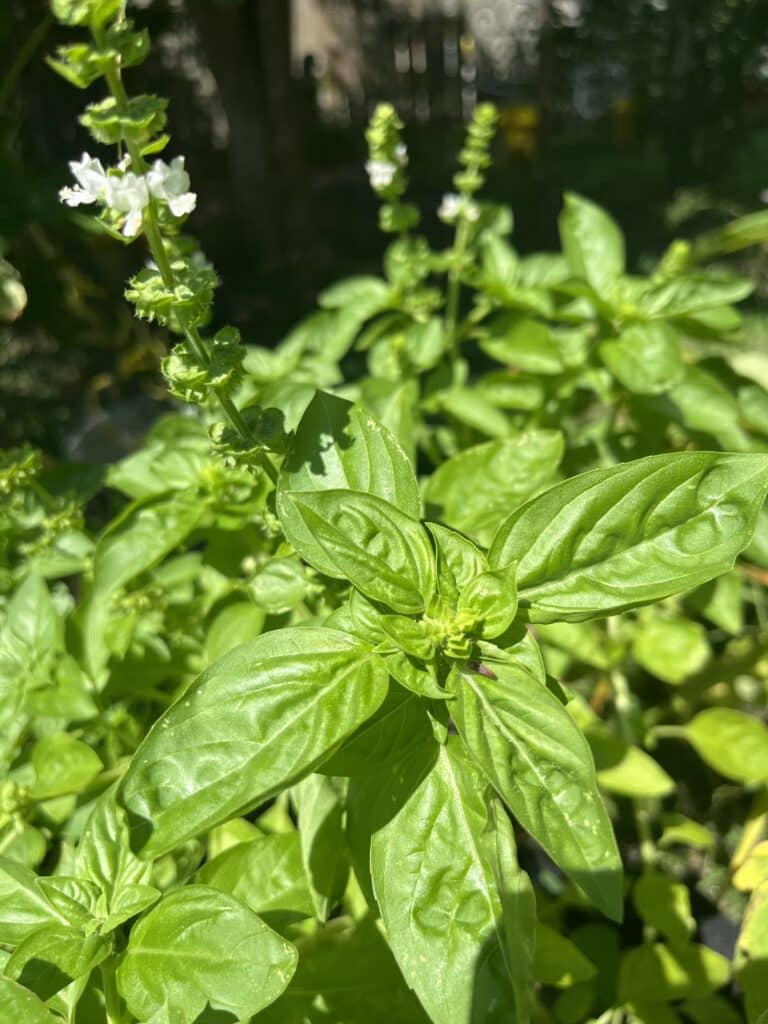
Bags are a great way to grab a little more space. This is my beautiful Basil, planted right in a bag with a tomato
Fertilizer For Weak Plants And Better Growth
Fertilizer can feel confusing because there are so many bottles, bags, numbers, and opinions.
Here is the plain truth: plants need food, but more fertilizer is not always better.
Too much fertilizer can burn roots, stress plants, or give you big leafy growth with not much fruit. Not enough fertilizer can leave plants pale, weak, and slow.
Container plants usually need feeding more often than plants in the ground because nutrients wash out when you water.
When Your Plants May Need Fertilizer
Your plants may need fertilizer if they are growing slowly, looking pale, producing poorly, or sitting in containers that have been watered a lot.
Tomatoes, peppers, cucumbers, flowers, and herbs all have different needs, so it helps to use a fertilizer made for the type of plants you are growing.
If your tomatoes are all leaves and no fruit, do not just keep pouring on more fertilizer. That can make the problem worse.
What To Look For In Garden Fertilizer
Look for a fertilizer that matches what you are growing.
For vegetables, choose something labeled for vegetables or tomatoes if that is what you need. For flowers, choose something made for blooms. For herbs, go gentle. Herbs usually do not need heavy feeding.
Slow-release fertilizer can be helpful if you do not want to feed constantly. Liquid fertilizer can give plants a quicker boost, but you need to follow the directions.
And yes, compost still matters. Fertilizer feeds the plant. Compost helps improve the soil.
Shade Cloth For Hot Summer Gardens
If you
One week your plants look beautiful. The next week they are wilting, dropping blooms, getting sunscald, or looking like somebody took a blow dryer to them.
That is where shade cloth can help.
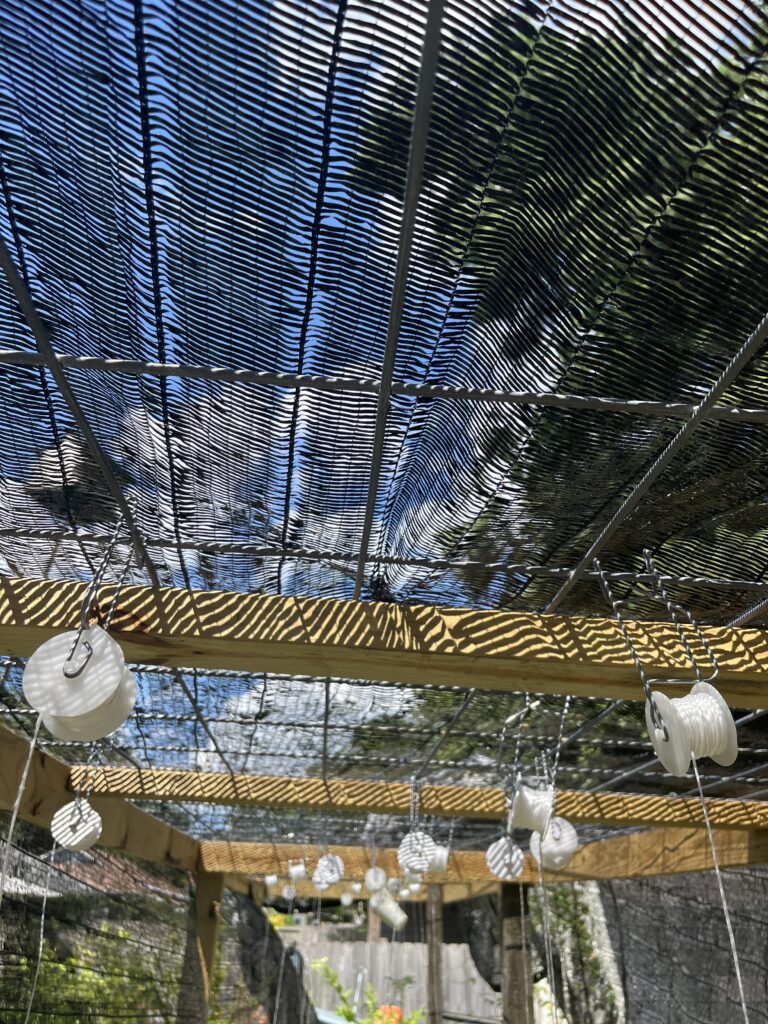
Shade cloth does not mean putting your plants in the dark. It means taking the sharp edge off the sun during the hottest part of the day. Shade cloth really helps with this blazing sun. They love having some shade.
When To Use Shade Cloth
Shade cloth can be helpful during heat waves, especially for tomatoes, peppers, lettuce, herbs, young plants, and container gardens.
It is especially useful if your
If your plants look fine in the morning but pitiful by 3 p.m., heat stress may be part of the problem.
Shade cloth can also help with sunscald on peppers and tomatoes. That happens when fruit gets too much direct sun and develops pale or damaged spots.
What Percentage Shade Cloth Is Best?
For many vegetables, 30% shade cloth is a good place to start.
You usually do not want super heavy shade for vegetables because they still need plenty of light. Too much shade can slow growth and reduce production.
The goal is not to block the sun completely. The goal is to soften it.
Also, keep the shade cloth raised above the plants if you can. Let air move through. Draping it directly on tender plants is not always the best setup.
Garden Bags And Containers For Flexible Planting
Garden bags and containers are a lifesaver when you want more growing space without building new beds.
They are also helpful when your yard soil is not cooperating.
You can use them for herbs near the kitchen, peppers on the patio, flowers by the porch, or extra tomato plants when you ran out of room in the main
Why Containers Make Gardening Easier
Containers let you control the soil, move plants if needed, and grow in places where a regular
They are also good for beginners because you can start small.
You do not have to turn your whole backyard into a farm. A few containers can give you herbs, flowers, peppers, tomatoes, or salad greens without a major setup.
What To Put In Garden Bags And Containers
Use a good potting mix made for containers.
Do not fill grow bags or pots with heavy yard dirt. Yard soil can compact in containers and make it harder for roots to breathe.
If the container is large, you can mix in compost, but you still want the base to be something that drains well.
And make sure there are drainage holes. A pretty container without drainage can turn into a plant coffin real fast.
Pest Control Helpers For A Healthier Garden
There is no such thing as a bug-free
Some insects are helpful. Bees, butterflies, ladybugs, and other beneficial insects are part of a healthy
The goal is not to wipe out every little thing that moves. The goal is to control the pests that are actually damaging your plants.
How To Handle Garden Pests Without Going Overboard
Start by looking closely at your plants.
Check the tops of leaves, underneath leaves, along stems, and around new growth. A lot of pests hide where you are not looking.
If you only see one or two bugs, you may not need to spray the whole plant. Sometimes you can remove pests by hand, rinse them off, or prune a badly affected leaf.
If the problem keeps spreading, then reach for the right pest control product.
What Pest Control Products Are Worth Keeping Around
A gentle insecticidal soap can be helpful for soft-bodied pests.
Neem-based products may help with certain pests and plant issues, depending on the label.
Row cover can protect young plants from bugs before they get started.
And plant clips, supports, and good spacing can help too because stressed, crowded plants are more likely to struggle.
Do not spray when bees are actively working your plants. Evening is often better, but the product label always wins.
Mulch And Soil Helpers For Better Moisture
If your
Bare soil bakes in the sun. Mulched soil holds moisture longer, stays cooler, and usually has fewer weeds.
That matters a lot when you are trying to keep tomatoes, peppers, flowers, and herbs alive through a hot summer.
Why Mulch Helps Garden Plants
Mulch helps protect the soil.
It slows down evaporation, keeps roots cooler, and reduces the hard crust that can form on top of bare soil.
It can also help keep soil from splashing up onto lower leaves when it rains or when you water. That matters because soil splash can contribute to plant disease, especially on tomatoes.
What Kind Of Mulch Should You Use?
For vegetable gardens, many gardeners use straw, shredded leaves, pine needles, compost, or untreated natural mulch.
I would avoid dyed mulch right up against vegetable plants.
You do not need to pile it high like a mountain. A nice layer around the plant is enough.
Just do not pack mulch right against the stem. Give the stem a little breathing room.
Watering Helpers That Keep Plants From Getting Stressed
Watering sounds simple, but it is where a lot of
Too much water causes problems. Too little water causes problems. Inconsistent watering can make tomatoes crack, peppers stall, and container plants wilt before you finish your coffee.
A few watering helpers can save you a lot of frustration.
Best Watering Helpers For Everyday Gardens
A good watering can is helpful for small gardens and porches.
A hose with a gentle spray nozzle helps when you have more plants.
Soaker hoses and drip irrigation are great for getting water to the roots without soaking all the leaves.
A moisture meter can help if you are never quite sure whether the soil is actually dry or just dry on top.
Why Morning Watering Is Usually Best
Morning watering gives plants time to drink before the worst heat of the day.
It also gives leaves time to dry if they get wet.
Watering in the evening is not always terrible, especially during extreme heat, but wet leaves sitting overnight can sometimes invite problems.
The biggest thing is to water deeply and consistently. A little sprinkle on top every day is not the same as getting water down to the roots.
I use a timer on all of my gardens, it is a lifesaver.
Plant Supports, Clips, And Ties
Some
Plant clips, stakes, soft ties, cages, and supports can save you from a tangled mess later.
Tomatoes flop. Peppers lean. Cucumbers climb. Flowers fall over after a storm.
A few simple supports can keep your plants upright, healthier, and easier to harvest.
Why Plant Supports Matter
When plants are supported, they get better airflow.
Better airflow can help reduce disease pressure. It also makes it easier to spot pests and harvest vegetables before they disappear into a jungle of leaves.
Supports also help prevent stems from snapping when fruit gets heavy.
What To Look For In Plant Supports
Look for supports that are strong enough for the plant.
Small stakes may be fine for peppers or flowers, but tomatoes usually need something sturdier.
Soft ties are better than anything that cuts into stems. Plant clips can be handy, but do not clamp them too tight.
You want to support the plant, not strangle it.
How To Choose The Right Garden Must-Haves
The easiest way to shop for
If your plants dry out too fast, look at mulch, watering helpers, grow bags with enough soil, and shade cloth.
If bugs are the issue, look at pest sprays, row cover, and gentle pest control options.
If your plants are pale and slow, look at compost, fertilizer, and better soil.
If you are out of room, look at grow bags and containers.
If the sun is cooking everything, look at shade cloth.
That is how you keep from buying a bunch of random
My Practical Garden Must-Haves List
These are the kinds of
Garden sprays for pests and leaf problems
Grow bags for extra planting space
Vegetable-safe fertilizer
Shade cloth for extreme heat
Garden bags and containers
Mulch or compost helpers
Plant supports, clips, and soft ties
Watering helpers
Pest control options
Labels and small
You do not need to buy everything at once. Start with what your
If your biggest issue is heat, start with shade cloth and mulch.
If your biggest issue is space, start with grow bags.
If your biggest issue is bugs, start with a good
If your plants are weak, look at fertilizer, compost, and better watering habits.
Common Questions About Garden Must-Haves
What garden supplies should beginners buy first?
Beginner gardeners should start with good containers or grow bags, potting mix, fertilizer, a watering can or hose setup, plant supports, mulch, and one gentle pest spray.
You do not need a shed full of supplies to start gardening. You need the basics that help you water, feed, support, and protect your plants.
Are grow bags better than plastic pots?
Grow bags can be better for many plants because they allow more airflow around the roots and drain well.
Plastic pots hold moisture longer, which can be helpful in hot weather, but they can also get hot and may not breathe as well.
Both can work. Grow bags are especially handy if you need flexible, lightweight planting space.
Do I really need shade cloth for tomatoes?
If you live where summers get brutally hot, shade cloth can be very helpful for tomatoes.
It can reduce heat stress, help protect fruit from sunscald, and give plants some relief during the hottest part of the day.
For many vegetable gardens, 30% shade cloth is a good starting point.
What is the best fertilizer for a vegetable garden ?
The best fertilizer depends on what you are growing and what your soil needs.
A balanced vegetable fertilizer works well for many gardens. Tomato fertilizer can be helpful for tomatoes and peppers. Compost is also a great addition because it improves the soil over time.
Do not overdo it. More fertilizer does not always mean better plants.
Should I spray my garden before I see bugs?
Usually, no.
It is better to inspect your plants often and treat when you actually see a problem. Spraying when you do not need to can waste product and may harm helpful insects.
Check under leaves, around new growth, and along stems so you can catch problems early.
What helps plants survive extreme heat?
Shade cloth, mulch, deep watering, healthy soil, and consistent care can all help plants handle extreme heat.
Avoid heavy pruning or strong fertilizer during the worst heat unless the plant truly needs it. A stressed plant does not always need more pushed on it.
Sometimes it needs protection and steady watering.
Why are my container plants drying out so fast?
Container plants dry out faster because they have less soil around their roots.
Grow bags can dry out even faster because they breathe well. That is good for roots, but it means you need to water more often in hot weather.
Use a large enough container, add mulch on top, and check the soil regularly.
What should I keep on hand for garden pests?
A gentle
The most important thing is knowing what pest you are dealing with before you treat it.
Different bugs need different solutions.
Final Thoughts On Garden Must-Haves
The best
Not the cutest package. Not the trendiest thing online. Not something that sounds fancy but sits untouched in the garage.
A good
Start with the basics: grow bags, fertilizer, shade cloth,
Those are the things you will actually use.
And if your
They may need more water, less sun, better soil, pest control, support, or a little food.
Once you have the right supplies nearby, you can stop guessing quite so much and start fixing the problem before it takes over the whole
You can shop my full
Shop My