How To Repel Spiders

Are you tired of finding unwelcome arachnids crawling around your home? Spiders, with their intricate webs and fascinating behaviors, may seem intriguing to some. But for many, their presence can be a cause for concern. In this guide, we’ll explore effective strategies to repel spiders and keep your living space spider-free.
This post may contains affiliate links. If you click and make a purchase, I may earn a small commission at no extra cost to you. I only recommend products I personally use or genuinely believe in. Thank you for supporting 100 Perfect Gifts.
Spiders are web spinners, predators, and masters of silk production. They play a vital role in the ecosystem. However, their presence in our homes can be unsettling, especially when dealing with venomous species like the black widow or the brown recluse. So, what can you do to keep these eight-legged creatures at bay? Let’s dive in and discover the secrets to a spider-free sanctuary.
Key Takeaways
- Understand the taxonomy and behaviors of spiders to better address their presence in your home
- Explore natural and chemical-based spider repellents to deter these arachnids effectively
- Learn about common venomous spider species and how to identify them
- Discover prevention and exclusion tactics to keep spiders from entering your living spaces
- Gain insights into dealing with spider infestations and addressing spiders in different areas of your home
Understanding Spiders
Spiders are a diverse group of arachnids that are fascinating and play a key role in ecosystems. They belong to the arthropod family. This group shows a wide range of behaviors and habitats, making them intriguing but often misunderstood.
Taxonomy and Classification
Spiders belong to the order Araneae, a suborder of Arachnida. This classification sets them apart from other arachnids like scorpions and ticks. The Araneae order has many families, each with unique traits and adaptations.
Behaviors and Habitats
Spiders exhibit fascinating behaviors, from web-spinning to quick reflexes. They live in various habitats, from rainforests to cities. They are important in their ecosystems, serving as both predators and prey.
| Behavior | Description |
|---|---|
| Web Spinning | Many spider species are adept at constructing intricate webs, which they use to capture prey and protect their young. |
| Predation | Spiders are skilled predators, using their venomous fangs, agility, and web-spinning abilities to catch a variety of insects, small vertebrates, and other arthropods. |
| Reproduction | Spiders have a complex mating process, with some species engaging in elaborate courtship rituals and others exhibiting unique parental care behaviors. |
Understanding spiders’ taxonomy, classification, and behaviors helps us see their importance in nature.
Why You Might Want to Repel Spiders
Spiders are interesting, but they can be a problem and even a health risk for some. Knowing why to repel spiders helps keep homes safe and pest-free.
One big reason is the danger from venomous spiders like the black widow spider and the brown recluse spider. Their bites can lead to serious health issues. So, it’s key to keep them away. Spider infestations also cause spider problems, like messy webs in corners and attics.
Many people just don’t like spiders and want a clean home. Keeping your home free of pests makes it more comfortable and secure. Spider control helps achieve this goal and keeps spiders away.
Deciding to repel spiders depends on personal comfort, health, and wanting a nice home. By understanding why to repel spiders, homeowners can tackle spider problems. This makes their homes safer and more enjoyable for everyone.
Common Venomous Spider Species
Two venomous spiders are most common and dangerous in the U.S.: the black widow and the brown recluse. These venomous spiders have venom that can seriously harm humans if they bite.
Black Widow Spiders
The black widow spider is easy to spot because of its shiny black body and red hourglass on its belly. They are found all over the country, especially in the south and west. Their venom can cause a lot of pain, nausea, and trouble breathing.
Brown Recluse Spiders
The brown recluse spider is harder to see but its venom is just as dangerous. It has a violin mark on its back and lives mainly in the south-central U.S. Its venom can damage tissue, cause necrosis, and lead to fever and chills.
Knowing about these venomous spiders and how to avoid them is key. Learning about their looks and dangers can keep you safe.
Natural Spider Repellents
Many people use natural solutions to keep spiders away. These methods are both effective and good for the environment. Essential oils and certain plants are popular for this purpose.
Essential Oils
Peppermint, citronella, and eucalyptus essential oils are great at repelling spiders. You can use them in different ways. For example, you can diffuse them in the air or apply them to surfaces.
The strong smells of these oils can mask the pheromones spiders use to communicate. This makes spiders less likely to come near.

Plants That Repel Spiders
There are also plants that can keep spiders away. Here are a few examples:
- Lemongrass: This herb not only keeps spiders away but also mosquitoes and other pests.
- Marigolds: Their strong scent repels many insects, including spiders.
- Pennyroyal: This mint-like plant has a smell spiders don’t like, making it a good deterrent.
By placing these plants around your home, you can create a barrier against spiders. Using essential oils and spider-repelling plants together is a great way to keep your home spider-free without harsh chemicals.
Chemical Spider Repellents
Chemical spider repellents and control products can help keep spiders away. These spider control products have ingredients that repel or kill spiders. They offer a quick and focused solution compared to natural methods.
Chemical spider repellents often include insecticides. These insecticides for spiders work by messing with spiders’ nervous systems. You can spray or dust these products in spider hotspots like corners and crevices. This helps get rid of spiders and keeps them away.
| Active Ingredient | Application Method | Effectiveness |
|---|---|---|
| Pyrethrin | Spray or dust | Highly effective in repelling and killing spiders |
| Permethrin | Spray or powder | Effective in deterring and eliminating spiders |
| Bifenthrin | Spray or granules | Versatile and long-lasting spider control |
When using chemical spider repellents, always read the instructions. Wear protective gear and make sure the area is well-ventilated. It’s also important to think about how these products might affect the environment. Always make sure you read the label on any products you use and take safety precautions.
While chemical spider repellents can solve spider problems, it’s smart to use them with other methods. Sealing up entry points and removing places spiders like to hide can help keep spiders away for good.
Spiders: Prevention and Exclusion
Keeping your home spider-free starts with spider prevention and spider exclusion. Sealing entry points and removing spider webs regularly helps a lot. This way, you can keep spiders from unwanted visits.
Sealing Entry Points
Spiders find the tiniest openings to get into your home. Look closely at your home’s exterior and interior. Check windows, doors, pipes, vents, and more. Use caulk, weather stripping, or other materials to block their way.
Removing Spider Webs
Getting rid of spider webs stops spiders from staying. Use a broom, vacuum, or other tool to remove webs. This keeps spiders from making their webs and helps keep your home clean and spider-free.
Helpful ways to seal your house
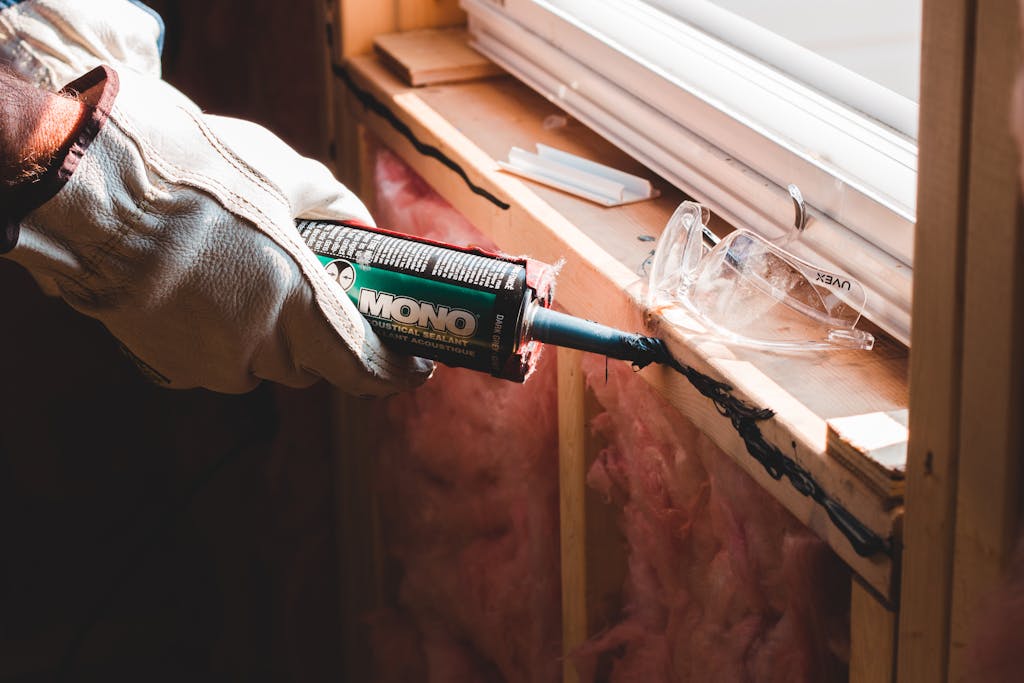
“Taking the time to seal up potential entry points and remove spider webs can make a big difference in keeping your home free from unwanted arachnid visitors.”
Using these spider exclusion methods can make your home spider-free. It also reduces the risks from these eight-legged creatures.
Dealing with Spider Infestations
Dealing with a spider infestation can be scary, but you can get rid of them. First, check how bad the problem is. Look at dark spots, small holes, and places where spiders like to hide.
After finding where the spider infestations are, it’s time to act. Use natural spider repellents like essential oils or plants that spiders don’t like. These options are safe for your home and the environment.
If the spiders keep coming back, you might need stronger methods. Chemical spider control can be more effective. But, always follow the instructions and be careful when using these products.
To keep spiders away, you can also prevent them from getting in. Seal any holes or gaps in your home. Also, clean up spider webs and egg sacs to stop them from reproducing.
Getting rid of spiders requires an early start and a mix of methods. By using spider control and prevention, you can make your home spider-free. This way, you can enjoy a peaceful space without spiders.
“The best defense against spiders is a good offense. Proactive measures can go a long way in preventing and eliminating infestations.”
How to Identify Spiders I Find
With so many spiders, of course we want to know what we are finding in our house or yard. This is a great link to help you find your spider
Spiders in My House
Spiders can sometimes find their way into our homes, taking up residence in the attic or basement. These areas can provide the ideal environment for certain spider species. They offer shelter, darkness, and potential food sources. To effectively address the presence of spiders in your house, it’s essential to conduct thorough inspections of these interior spaces.
Attic and Basement Inspections
Regularly inspecting your attic and basement can help you identify potential spider hotspots and take appropriate action. Begin by closely examining the corners, crevices, and other hidden areas where spiders may build their webs. Look for any signs of spider activity, such as webbing, egg sacs, or the presence of the spiders themselves.
Pay special attention to damp, dark, and cluttered areas, as these conditions often attract spiders in the house, spiders in the attic, and spiders in the basement. Identify and seal any entry points, such as cracks or gaps, to prevent further indoor spider control issues.
| Location | Common Spider Sightings | Recommended Actions |
|---|---|---|
| Attic | Black house spiders, cellar spiders, daddy longlegs | Inspect for webbing and egg sacs, seal entry points |
| Basement | Funnel web spiders, wolf spiders, jumping spiders | Eliminate clutter, remove spider webs, use natural repellents |
By proactively inspecting these spaces and addressing any spider-related issues, you can effectively maintain a spider-free home. This protects your family from potential spider-related risks.
Spiders in My Garage
Garages are a favorite spot for spiders because they offer shelter, warmth, and food. Spiders in garage are common, but you can keep them away. With the right steps, you can control spiders in garage and remove spiders from garage areas.
Spiders like garages because of the insects and moisture. Garages have dark spots perfect for spiders to hide and spin webs. This makes them a great place for spiders to live.
Identifying and Addressing Spiders in the Garage
To manage spiders in garage, first figure out which spiders you have. Knowing this helps you choose the best way to deal with them. Common garage spiders include:
- Black Widow Spiders
- Brown Recluse Spiders
- Cellar Spiders
- House Spiders
After identifying the spiders, you can start to control spiders in garage and remove spiders from garage. You might use natural repellents or chemical products. Sealing holes, cleaning webs, and keeping the garage tidy also helps.
By tackling spiders in garage early and using prevention and removal, you can keep your garage spider-free. This makes your garage safer and more comfortable.
Spiders in My Garden
Garden lovers often face the problem of spiders in their gardens. Spiders are good for the ecosystem, but they can worry homeowners. Luckily, there are ways to keep spiders away from your
Companion Plants for Repelling Spiders
Using spider-repelling companion plants is a natural way to keep spiders out. These plants have smells or chemicals that spiders don’t like. This keeps them from living in your
- Lavender (Lavandula spp.)
- Marigolds (Tagetes spp.)
- Peppermint (Mentha piperita)
- Citronella (Cymbopogon spp.)
- Lemongrass (Cymbopogon citratus)
Planting these spider-repelling companion plants around your
| Plant | Effect on Spiders |
|---|---|
| Lavender | Strong aroma that deters spiders |
| Marigolds | Produce a chemical that repels spiders |
| Peppermint | Pungent scent that spiders find unpleasant |
| Citronella | Repels a variety of insects, including spiders |
| Lemongrass | Possesses a strong, lemony scent that deters spiders |
Adding these spider-repelling companion plants to your
Spiders: Myths and Facts
Spiders are often misunderstood, with many myths and misconceptions around them. We’ll look at common spider myths and share the facts. This will help us understand these amazing arachnids better.
Myth: Spiders are Aggressive
Many believe spiders are aggressive towards humans. But, spiders are mostly not interested in us. They only bite in self-defense or if they’re trapped by accident. Most spiders have venom that’s not strong enough to harm us.
Fact: Spiders Play a Vital Role in the Ecosystem
Spiders are crucial for the ecosystem’s health. They help control insect and pest populations, acting as natural pest control. They also feed other animals, helping balance the food chain.
Myth: All Spiders are Venomous
While some spiders are venomous, not all are dangerous to humans. Most spiders are harmless. Only a few, like the black widow and brown recluse, have venom that can harm us.
| Myth | Fact |
|---|---|
| Spiders are aggressive | Spiders are generally not interested in humans and only bite in self-defense |
| All spiders are venomous | Only a small percentage of spider species have venom that can be harmful to humans |
| Spiders are pests | Spiders play a vital role in the ecosystem by controlling insect populations |
By knowing the truth about spiders, we can see their value in nature. This helps clear up the common myths that surround these fascinating creatures.
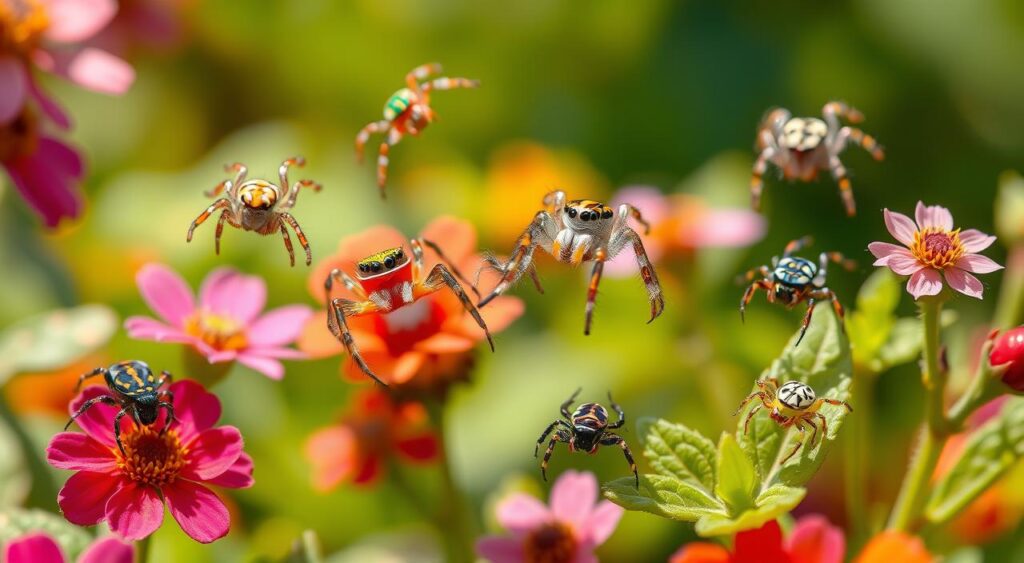
Jumping Spiders: The Cool Bugs
Jumping spiders are unique in the spider world. They are not only beautiful but also very smart and agile. This makes them stand out from other spiders.
These spiders can jump really far and fast. They use their sharp eyes to catch their prey. Watching them jump is amazing, as they can leap up to 40 times their own length.
Jumping spiders are also very curious and interactive. They even have a bit of personality, which is rare for bugs. They can even learn to do simple tasks, showing their intelligence.
| Characteristic | Description |
|---|---|
| Jumping Ability | Jumping spiders can leap up to 40 times their body length, making them exceptional hunters. |
| Visual Acuity | These spiders have excellent eyesight, allowing them to track and detect even the slightest movements. |
| Personality | Jumping spiders exhibit a level of “personality” and can even be trained to perform simple tasks. |
Jumping spiders are fascinating to many. Their unique traits and behavior show the amazing diversity of spiders. They are a favorite among spider enthusiasts and scientists.
Spiders in the United States
The United States is home to many spider species. Each has its own look and where it lives. From the famous black widow to the hidden brown recluse, the variety of spiders in the US is as wide as the places they live.
Studies show there are over 3,000 spider species in the US. Most live in the south and west. The places spiders live are shaped by the weather, plants, and how people live.
| Region | Predominant Spider Species |
|---|---|
| Northeast | Orb-weaver spiders, Cellar spiders, House spiders |
| Southeast | Black widows, Funnel-web spiders, Jumping spiders |
| Midwest | Wolf spiders, Grass spiders, Crab spiders |
| Southwest | Tarantulas, Scorpion spiders, Ground spiders |
| West Coast | Orb-weaver spiders, Jumping spiders, Crab spiders |
Some spiders are found all over the country, while others stick to certain areas. Knowing about the different spiders in the US helps us deal with them better.
“Spiders are a fascinating part of the natural world, and learning about their unique characteristics and distribution can help us coexist with them in a more harmonious way.”
By looking into the spider species in the United States and where they live, we can appreciate their role in nature. This helps us live in balance with these ancient creatures.
When to Call a Professional
Dealing with a big spider problem? Sometimes, it’s best to get help from the pros. Professional spider removal and extermination services can solve issues that homeowners can’t handle alone. Here are signs you need a pest control specialist:
- You’ve tried DIY methods, but the spider population continues to grow.
- You’ve discovered a nest or hive of venomous spiders, such as black widows or brown recluses.
- Spiders have invaded sensitive areas of your home, like the attic or crawl space, making it difficult to access and eliminate them.
- You have a large-scale infestation that seems to be spreading throughout your property.
Getting a professional spider exterminator has many benefits. They have the right tools, knowledge, and experience to find and fix the problem fast. This saves you time, money, and stress. Plus, they know how to handle dangerous spiders safely, keeping your family safe.
“Don’t hesitate to call in the experts when you’re facing a spider infestation that you can’t seem to get under control. It’s better to be safe than sorry when it comes to protecting your home and loved ones.”
So, if you’re wondering when to call pest control for a spider issue, think about these points. Don’t be afraid to contact a professional spider removal service to fix the problem right.
Conclusion
To keep spiders away, you need a mix of strategies. Knowing about spider types, their habits, and where they live helps a lot. Homeowners can then make their homes less welcoming to spiders.
Using natural repellents like essential oils and certain plants is a good choice. These methods are safe for the environment and work well. Chemical repellents are also effective but must be used carefully and as directed.
Keeping your home spider-free starts with sealing holes and removing webs. For big problems, getting help from a pest control expert is a smart move. By following these tips, you can make your home a spider-free zone.
FAQ
What are the most common venomous spider species found in the United States?
In the United States, the black widow and brown recluse spiders are the most common and dangerous. They can cause serious health issues.
What are some natural spider repellents that can be used at home?
To keep spiders away, use essential oils like peppermint, citronella, and eucalyptus. Also, plants like lemongrass, lavender, and citronella can help keep them out.
How can I prevent spiders from entering my home?
To keep spiders out, seal all cracks and gaps. Also, clean up spider webs regularly. This will help prevent them from making a home in your house.
What should I do if I have a spider infestation in my home?
If you have a lot of spiders, call a pest control expert. They can safely remove the spiders and prevent more from coming in.
Are there any unique or interesting spider species that are worth learning about?
Yes, jumping spiders are very interesting. They move quickly, are curious, and have complex behaviors. Their unique traits make them stand out among other spiders.
How common are spiders in the United States, and where are they typically found?
Spiders are found all over the United States. Different areas have different types of spiders. The type of spider you find depends on where you are and the environment.
When should I consider calling a professional for spider removal?
If you can’t handle a spider problem on your own, call a professional. They have the tools and knowledge to safely get rid of the spiders.
These statements have not been evaluated by the FDA and is not intended to diagnose, treat or prevent any disease