Using mason jars as storage for your dry goods

This post may contains affiliate links. If you click and make a purchase, I may earn a small commission at no extra cost to you. I only recommend products I personally use or genuinely believe in. Thank you for supporting 100 Perfect Gifts.
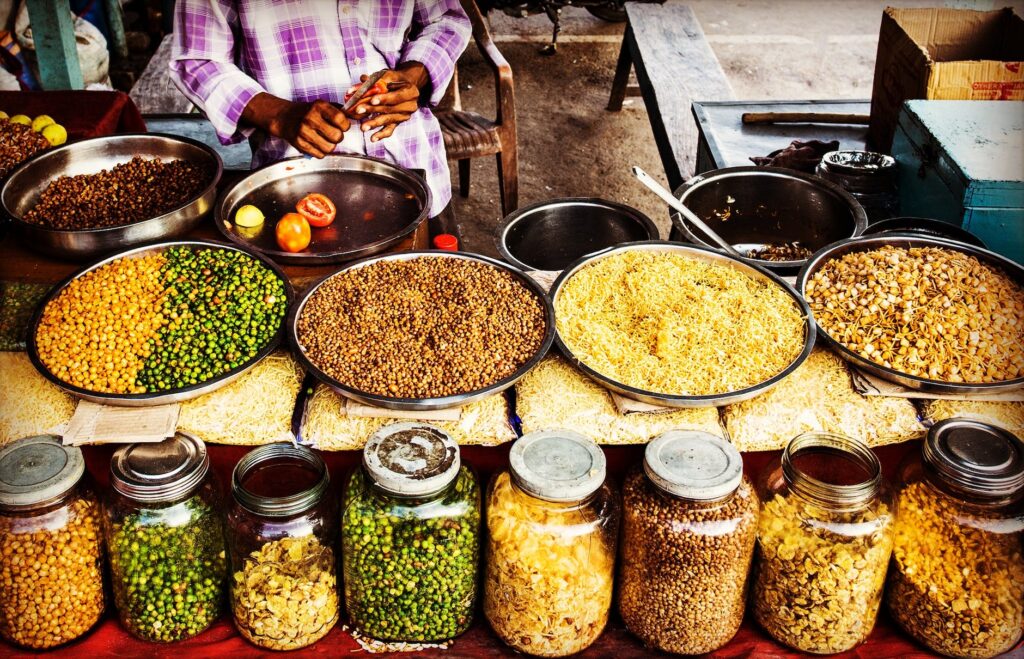
If your pantry shelves are a mix of half-empty bags, twist ties, and cereal boxes standing open, mason jars fix that faster than almost anything else you can buy. They seal properly, they let you see what’s actually in there, and they hold up for years instead of getting replaced every season like plastic bins do.
I’ve used them for flour, sugar, rice, oats, pasta, coffee, and dried beans, and the appeal isn’t really about how it looks on a shelf. It’s that you always know what you have and how much of it is left. If you’re rethinking more than just the pantry, my guide to organizing a small kitchen for maximum efficiency covers the bigger picture.
Why Mason Jars Work Better Than Bags or Boxes
Dry goods left in their original packaging go stale faster, attract pantry pests more easily, and take up more room than they need to. A sealed glass jar solves all three. Rice and flour especially benefit — anything with a bag-clip closure is never as airtight as it needs to be.
What Size to Buy
Don’t guess on size. Match the jar to what’s going in it:
- Wide-mouth pint jars — spices, small snacks, individual servings
- Wide-mouth quart jars — flour, sugar, rice, pasta, oats, dried beans
- Half-gallon jars — bulk buys if you shop somewhere like Costco or Sam’s
These wide-mouth Ball jars are the ones I’d point you toward — wide-mouth matters more than people think, since a narrow opening makes both filling and scooping out flour or rice a mess.
Getting Dry Goods Into the Jar Without a Mess
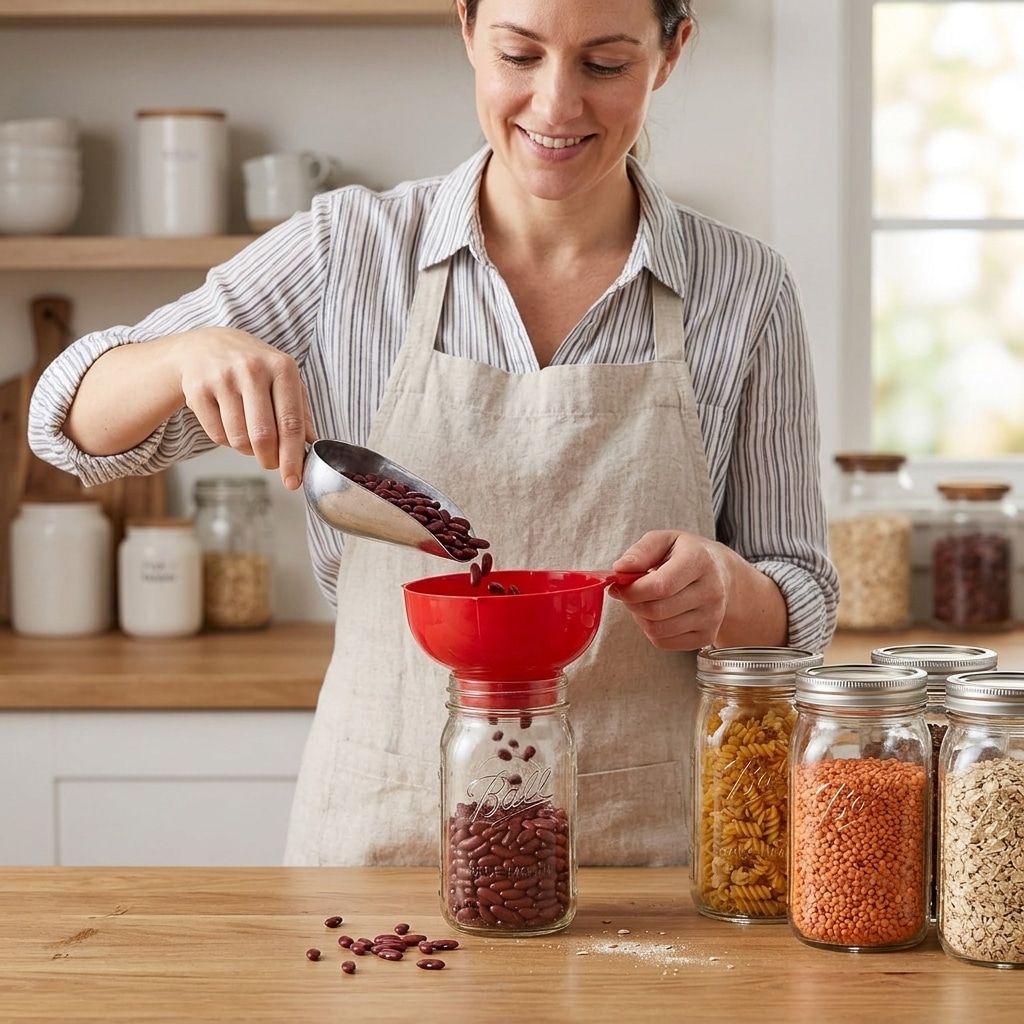
This is the step people skip and regret. Pouring flour or rice straight from a bag into a jar means spilling half of it on the counter. A wide-mouth funnel makes this a non-issue — it sits right in the jar opening and you pour straight through it.
Labeling So You Don’t Have to Guess
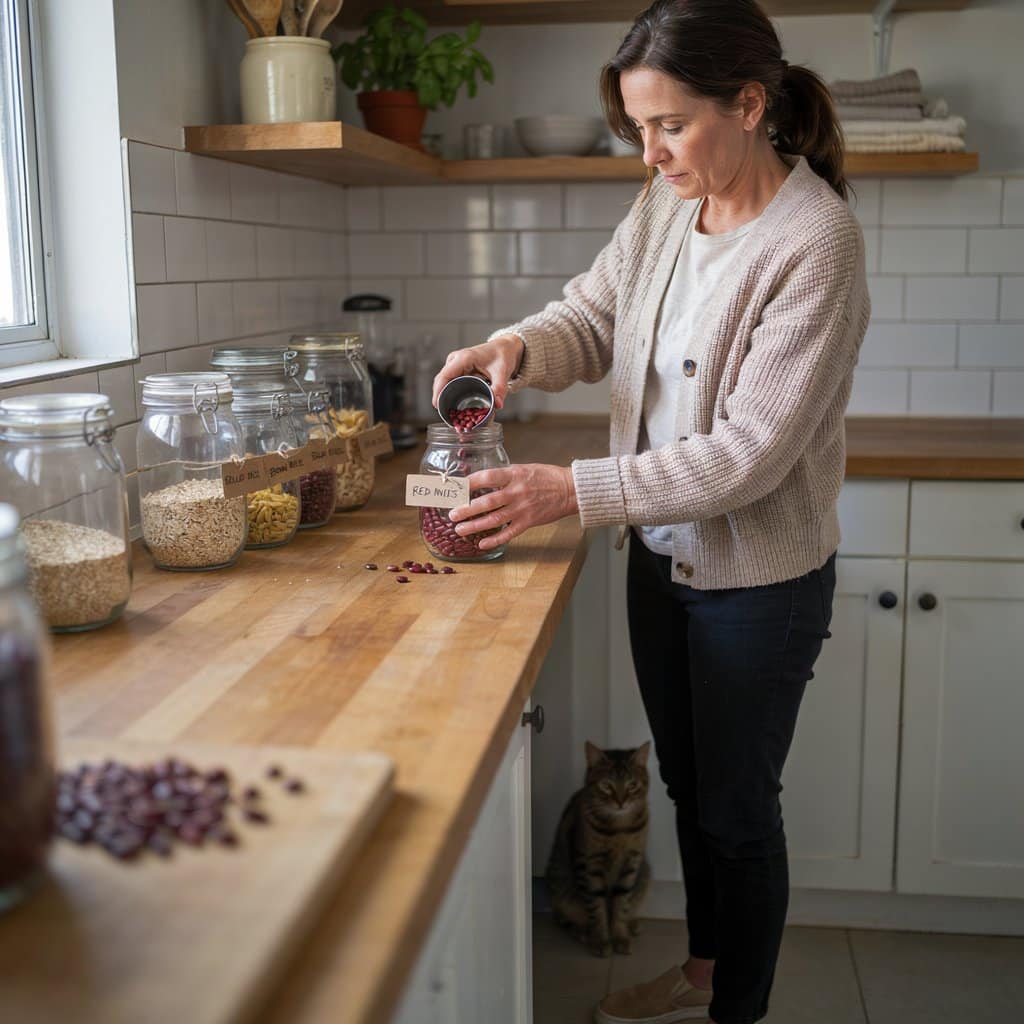
Everything looks the same once it’s in a clear jar — sugar and salt, rice and orzo, chia seeds and quinoa. These labels solve that without permanent marker or peeling stickers. Write the contents and the date you filled it, since dry goods do have a shelf life even sealed up tight.
Keeping Things Fresher Longer
A regular mason jar lid is a big step up from a bag clip, but if you want to go further — especially for anything you buy in bulk and don’t go through quickly — a vacuum sealer attachment pulls the air out of the jar and meaningfully extends how long things stay fresh. Worth it for rice, oats, and anything you’re not restocking every week.
Ball jars can organize all of these foods, but the jars alone do not make dry goods safe indefinitely. Nuts, brown rice, whole-grain flour, dried fruit, and other high-fat or moist foods have shorter storage lives and may need refrigeration or freezing for long-term storage.
Mason Jars Aren’t Just for Storage
Once you’ve got a shelf of filled jars, they’re also useful for:
- Portioning snacks for lunches or road trips
- Layering dry ingredients for a soup or cookie mix as a gift
- Keeping a “grab and go” jar of trail mix or granola on the counter
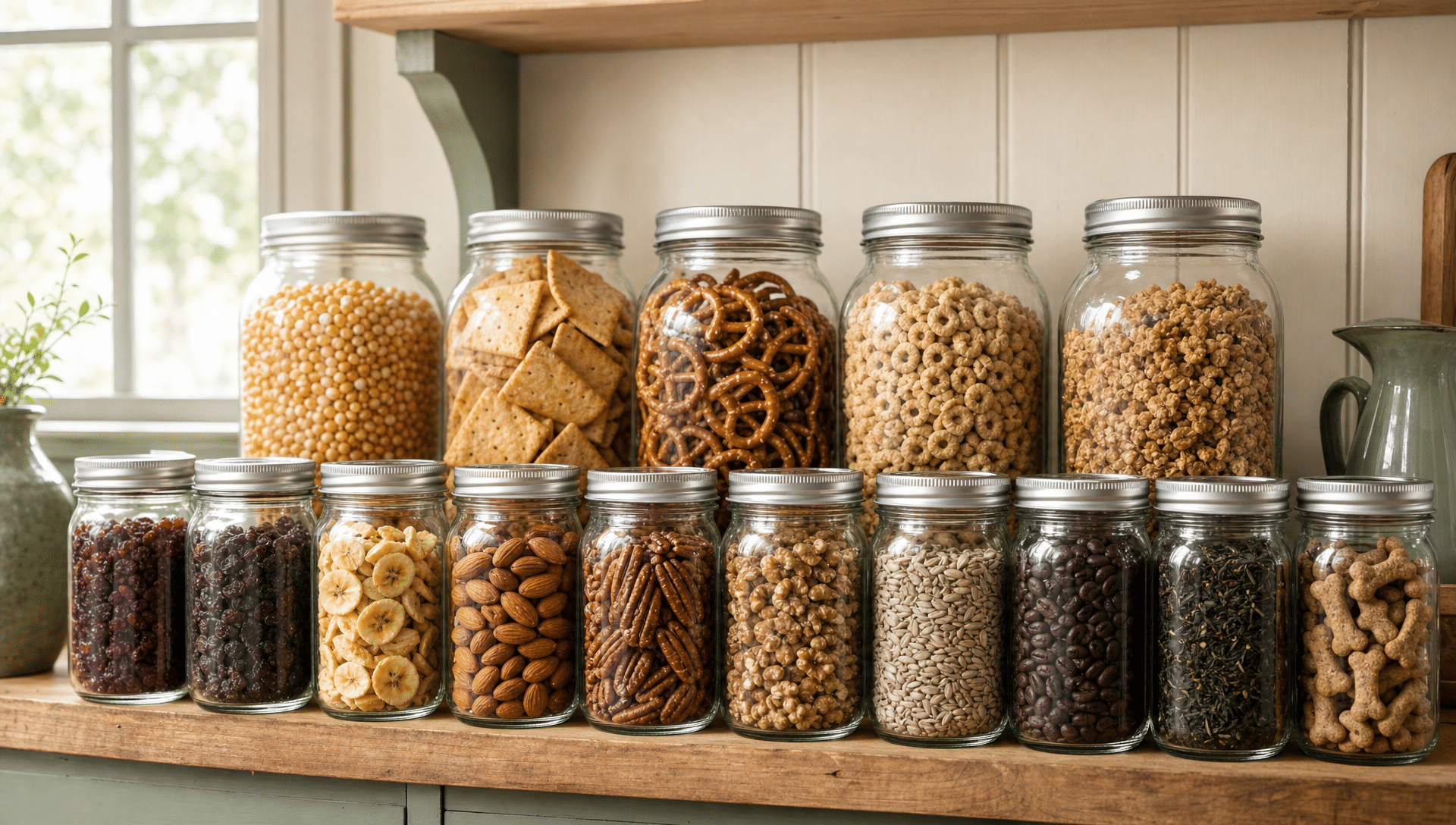
If you’d rather see the tools themselves than just the storage system, my roundup of practical kitchen favorites I actually use and would buy again covers more of what stays in regular rotation.
Keeping the System Working
Check lids and seals occasionally — they do wear out. Glass jars are dishwasher safe, so washing between refills isn’t a chore. If a jar develops a chip or crack near the rim, retire it; that’s where a seal fails first.
Frequently Asked Questions
Do mason jars actually keep food fresher than the original packaging?
Yes, in most cases. A properly sealed lid keeps out more air and moisture than a bag clip or a box flap, which is what causes staleness and pest issues in the first place.
What size mason jar is best for flour and sugar?
A wide-mouth quart jar holds about 4-5 cups, which fits most standard bags of flour or sugar without needing to split it across two jars.
Do I need to freeze flour or rice before putting it in a jar?
It’s a smart extra step, especially for bulk or bulk-bin purchases. Freezing for 3-4 days kills any pest eggs that may already be in the food before you seal it in a jar — the jar keeps bugs out going forward, but it won’t undo an existing problem.
Can you put mason jars in the dishwasher?
Yes. Standard mason jars are dishwasher safe. Just check the lids — metal lids can degrade faster with repeated dishwasher cycles than hand washing.
We earn a commission if you make a purchase, at no cost to you