
What Not to Cook in a Cast Iron Skillet: 8 Foods to Think Twice About

Cast iron can handle almost anything you throw at it, but almost isn’t everything. If you’ve ever wondered what not to cook in a cast iron skillet, the short answer is a handful of foods that either fight the pan’s seasoning, stick something awful, or leave a smell that follows you into tomorrow’s breakfast. None of these are hard rules. They’re more like things worth knowing before you find out the hard way.
This post may contains affiliate links. If you click and make a purchase, I may earn a small commission at no extra cost to you. I only recommend products I personally use or genuinely believe in. Thank you for supporting 100 Perfect Gifts.
New to cast iron? Start with Mastering Cast Iron for the full overview, then come back here for the foods worth thinking twice about.
At a Glance: Foods to Think Twice About
- Highly acidic foods cooked longer than 15–30 minutes (tomato sauce, wine braises, vinegar-heavy dishes)
- Delicate, flaky fish
- Scrambled eggs and omelets, especially in a newer pan
- Strong-smelling foods you don’t want lingering (garlic-heavy dishes, cabbage, curry)
- Desserts made right after a savory, garlic-heavy cook
- Delicate dairy-based pan sauces
- Leftovers or pie left sitting in the pan overnight
We’ll walk through each one, plus why the “never cook tomatoes in cast iron” rule you’ve probably heard is more nuanced than it sounds.
Acidic Foods, If You’re Simmering Them a While
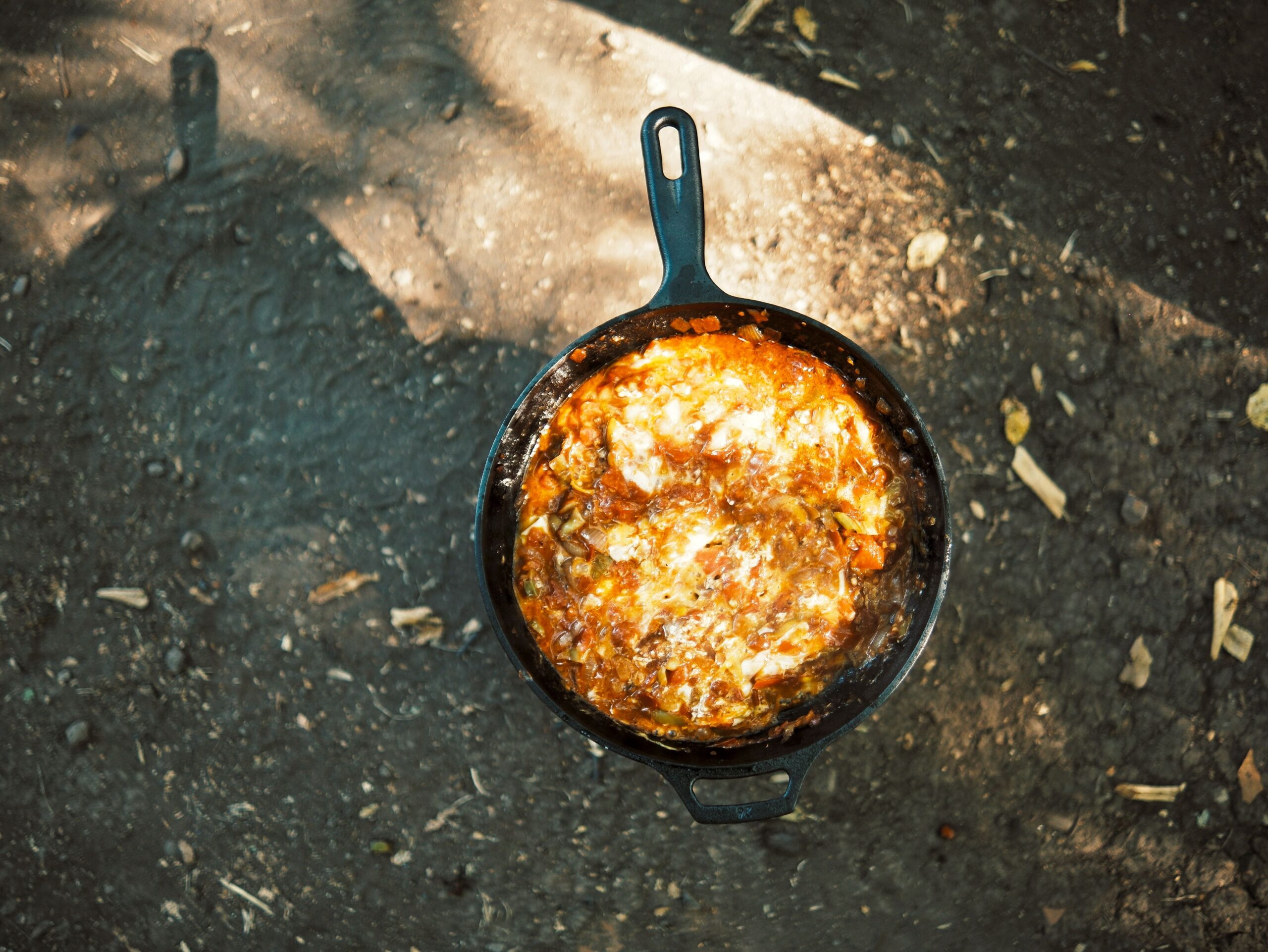
This is the one everyone argues about, and both sides have a point. A well-seasoned skillet can handle a quick splash of wine to deglaze a pan or a few charred tomatoes for salsa without any issue. The trouble starts with time. Tomato sauce, wine-heavy braises, and vinegar marinades left to simmer for 15 to 30 minutes or longer can wear down the seasoning layer and pull a faint metallic taste into the food.
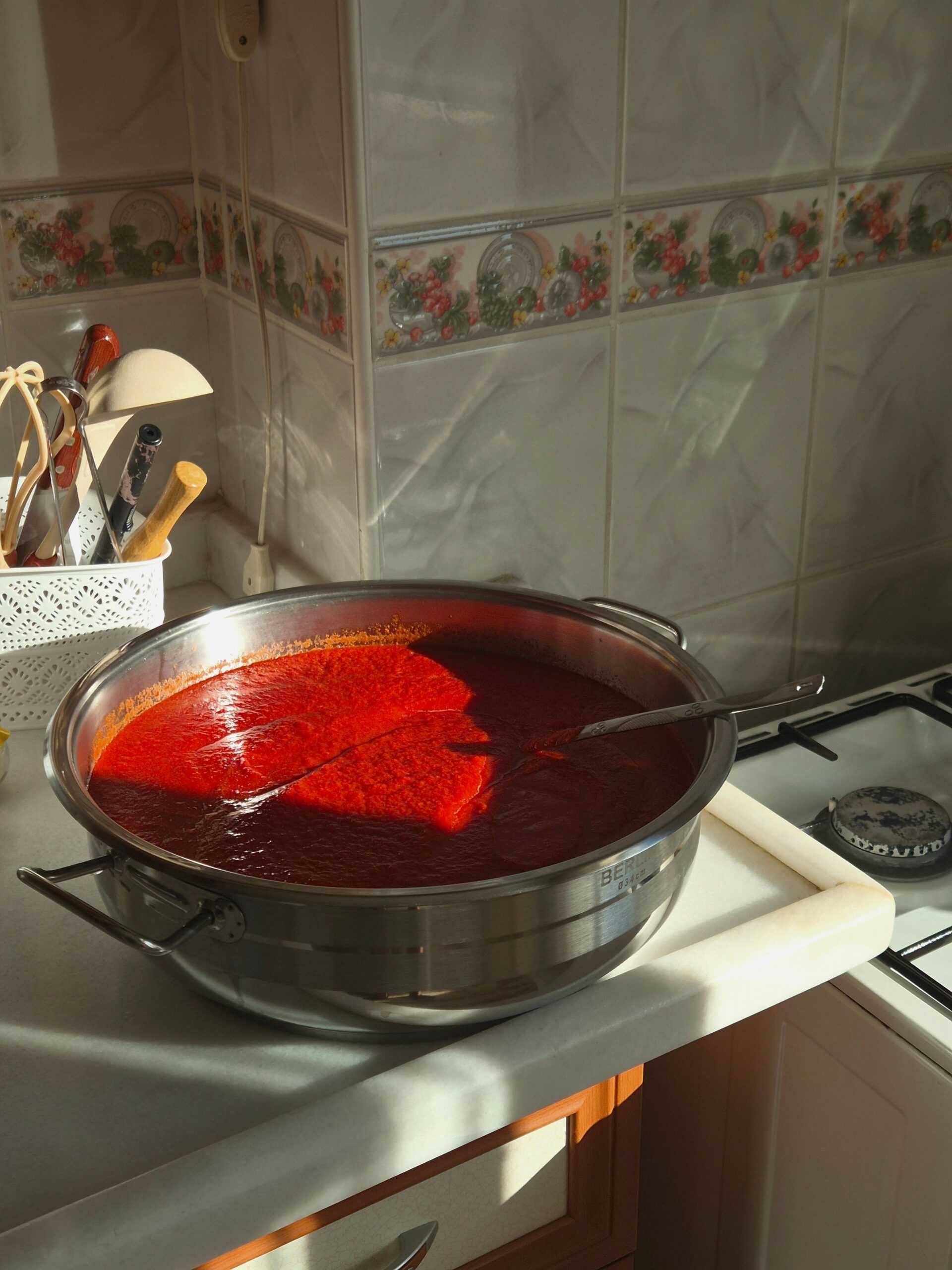
An America’s Test Kitchen comparison found that tomato sauce simmered in cast iron for about 30 minutes picked up a noticeably metallic flavor, more so in an unseasoned pan than a well-seasoned one. So the real rule isn’t “never,” it’s “not for long.” Quick-cooking acidic ingredients is fine. A long-simmered marinara is a job for stainless steel or an enameled Dutch oven instead.
If you want an enameled option that handles acid without any of this worry, a Staub enameled Dutch oven is built exactly for that job. The enamel coating means the food never touches bare iron.
For a full breakdown of what damages cast iron seasoning day to day (not just food), see Cast-Iron Skillet No-Nos.
Delicate, Flaky Fish
Cast iron sears a steak beautifully because it gets hot and stays hot. That’s exactly what works against a thin fish fillet. Tilapia, flounder, and other delicate white fish tend to stick to the surface and fall apart when you try to flip them, even in a reasonably well-seasoned pan. Meatier fish like salmon fares a little better, but you’ll still fight it more than you would in a nonstick or stainless pan.
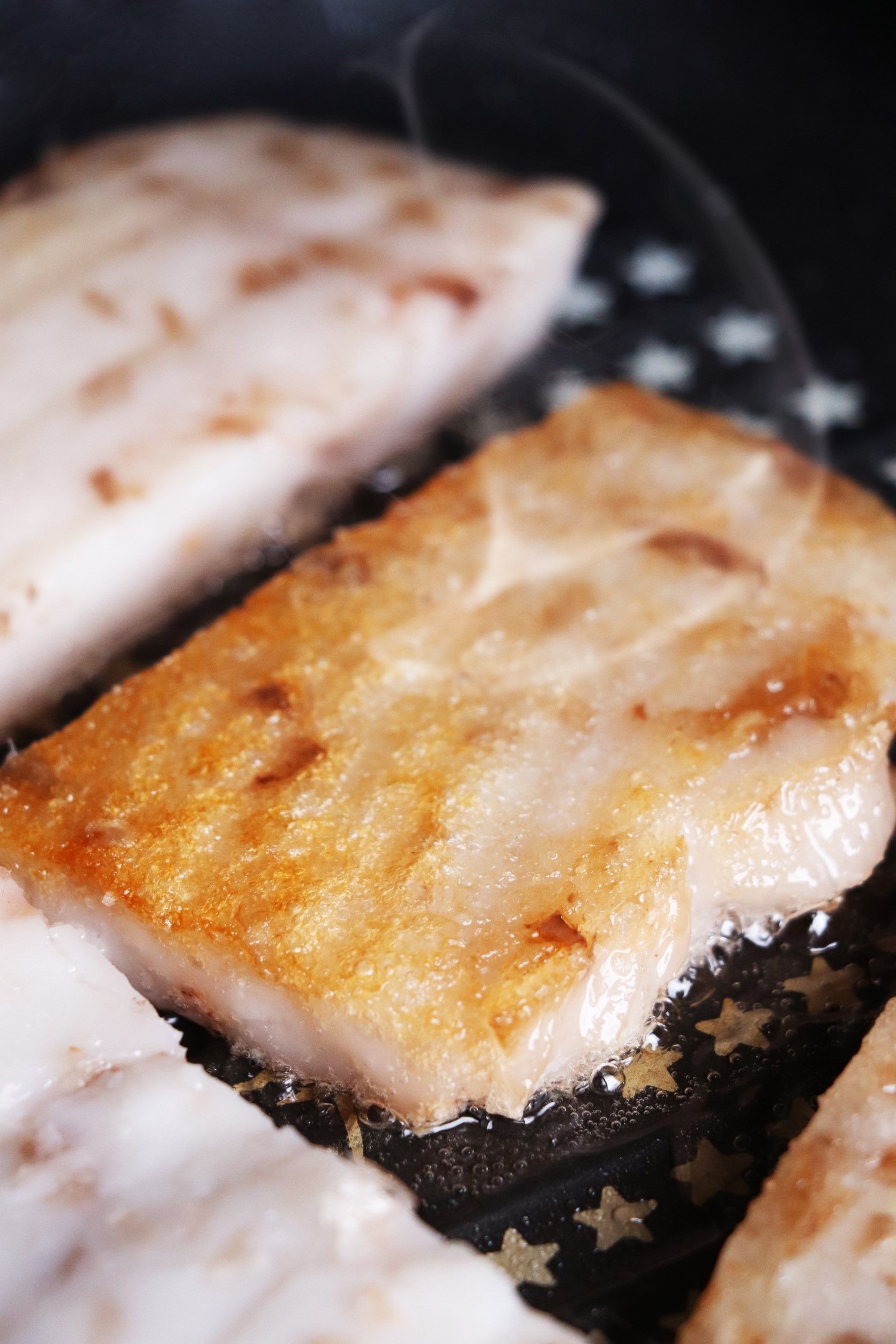
If you love the sear cast iron gives you, stick to fish with the skin on, which acts as a natural buffer between the flesh and the pan.
Eggs, Especially Scrambled
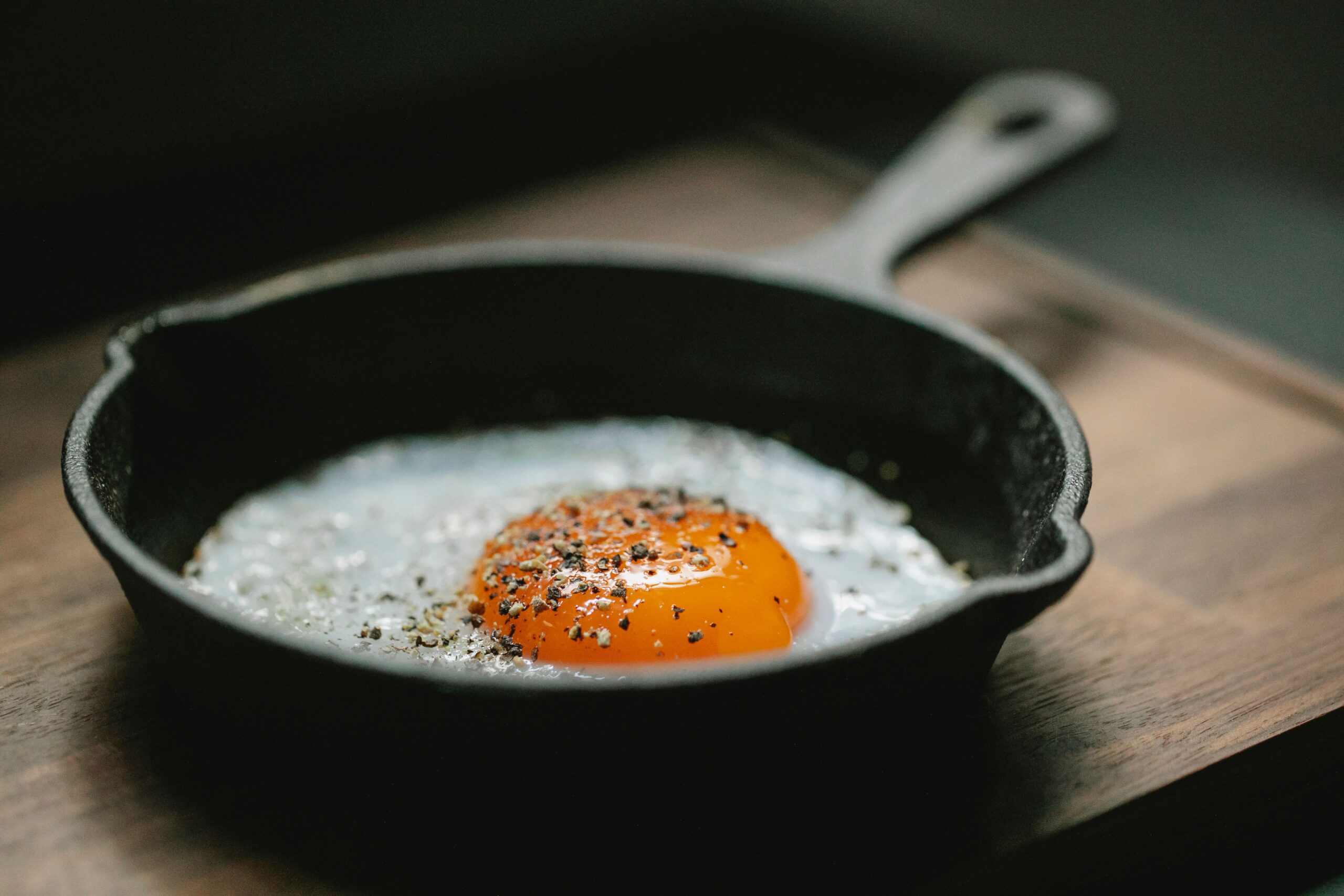
Fried eggs in a truly well-seasoned skillet can turn out great, a little crispy at the edges the way a lot of Southern cooks like them. Scrambled eggs and omelets are a different story. They’re soft, they move around the pan, and they need every bit of that nonstick layer to release cleanly. If your seasoning isn’t built up yet, you’ll likely end up scraping more than serving.
If eggs are a daily habit, it’s worth keeping a dedicated nonstick pan in rotation until your cast iron has a few dozen cooks behind it.
Foods With a Smell That Lingers
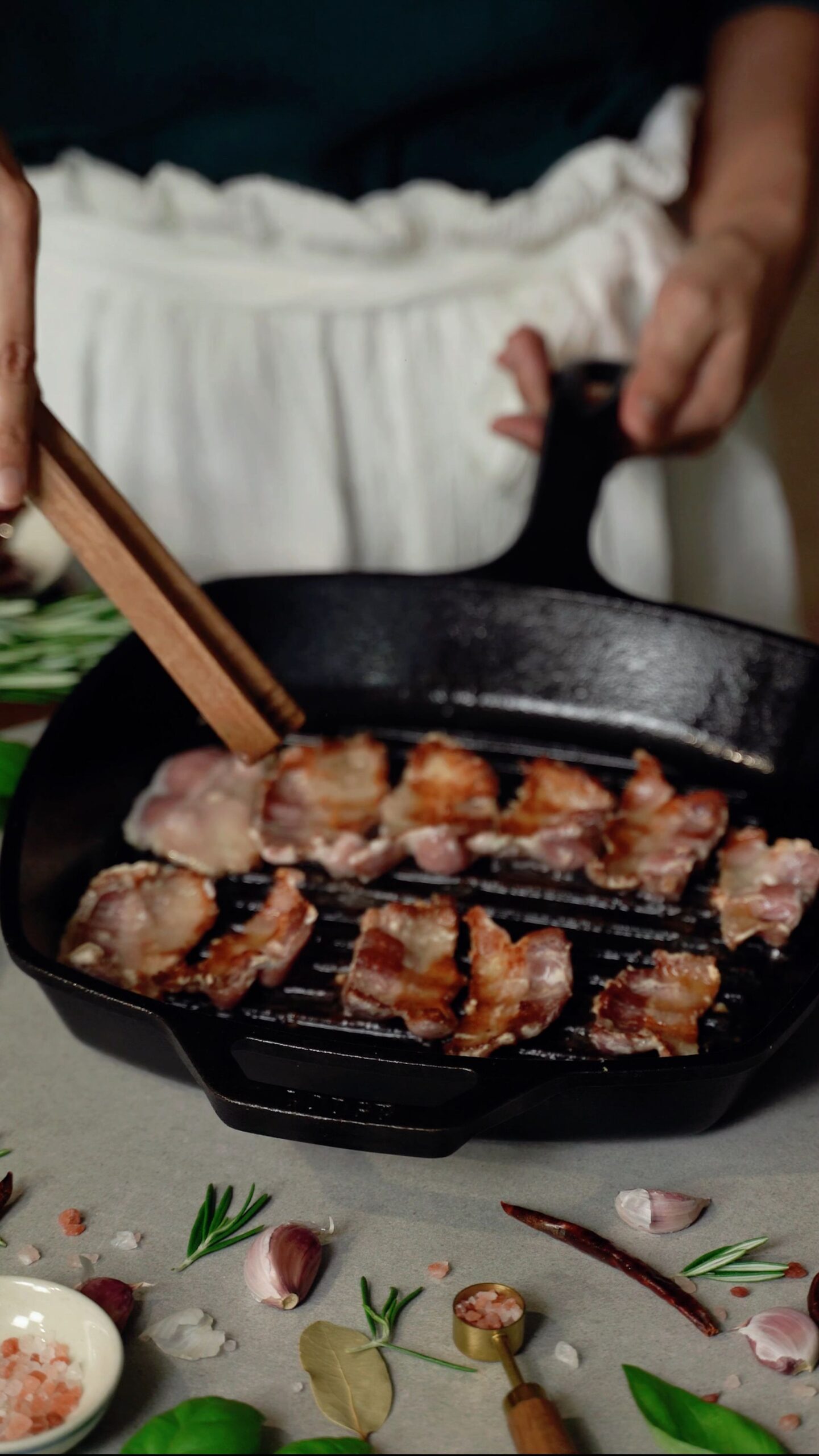
Cast iron is porous, and it holds onto aromas the way a wool sweater holds onto campfire smoke. Garlic-heavy dishes, curry, and pungent cheeses can leave behind a smell that shows up faintly in the next couple of things you cook. Cabbage and especially sauerkraut are repeat offenders. One home cook described a single batch of sauerkraut taking multiple washes to fully clear from her pan.
A 10-minute stint in a 400°F oven will usually chase most of the smell out if it happens. But if you’re planning to bake something delicate right after, it’s worth giving the pan a rest first.
Desserts Right After a Savory, Garlic-Heavy Cook
This one isn’t really about the dessert itself. It’s about what the pan cooked last. More than a few Southern cooks keep separate skillets for sweet and savory for exactly this reason. Fry chicken or sauté a heavy dose of garlic and onion the night before, and your skillet cookie or pineapple upside-down cake the next day can pick up a faint savory note at the edges.
If you only have one skillet, a full wipe-down, a hot-oil re-season, and a little time between uses usually solves it. If you bake often, a second dedicated pan is the easier fix.
Delicate Dairy-Based Pan Sauces
Cream sauces and butter-based pan sauces don’t hold up as well in cast iron as they do in stainless steel. The pan’s excellent heat retention, the very thing that makes it great for searing, works against a delicate sauce that needs gentle, even, easily-adjustable heat. Dairy sauces can scorch faster than you’d expect, and the dark surface of the pan makes it harder to judge the sauce’s color as it develops. It’s not dangerous, just not the tool built for the job. Stainless steel gives you more control here.
What About Iron and Your Health?
This comes up more than people say out loud. Cast iron does leach a small amount of iron into food, especially acidic food cooked longer. For most people, that’s a mild nutritional plus, not a downside. It’s one of the reasons cast iron has been studied as a low-cost way to boost iron intake in populations with high rates of anemia.
The exception is hereditary hemochromatosis, a genetic condition that causes the body to absorb too much iron. It affects roughly 1 in 200 to 1 in 227 people of Northern European descent, though not everyone with the gene develops symptoms. If you or a close family member has been diagnosed with hemochromatosis or iron overload, that’s worth a conversation with your doctor about your cookware, not something to guess your way through.
Don’t Let Leftovers Sit in the Pan
This isn’t a food so much as a habit worth breaking. Cast iron needs to stay dry between uses to avoid rust, which means it’s not a substitute for a storage container. One reader shared that leaving an apple pie in her skillet for two days left rust spots she had to call the manufacturer about. Once you’re done cooking and the pan has cooled, move the food to a plate or container and give the skillet a proper clean and dry.
Frequently Asked Questions
Can you cook tomato sauce in cast iron?
Yes, for short cooking times. A quick simmer of 10 to 15 minutes is generally fine in a well-seasoned pan. Longer than that, especially past the 30-minute mark, and you risk a metallic taste and gradual seasoning loss. For a long-simmered marinara or chili, reach for stainless steel or enameled cast iron instead.
Why do eggs stick to my cast iron skillet?
Usually it comes down to seasoning that isn’t built up enough yet, not enough oil, or a pan that wasn’t fully preheated. Fried eggs tend to do better than scrambled, since they sit still instead of moving around the surface. A newer skillet with only a few cooks behind it will struggle with eggs no matter how careful you are.
Is it actually true that cast iron causes iron overload?
For most healthy people, no. The extra iron from cooking in cast iron is generally a small nutritional benefit. The real concern is limited to people with hereditary hemochromatosis, a genetic condition affecting roughly 1 in 200 to 227 people of Northern European descent. If that runs in your family, talk to your doctor rather than relying on general advice like this.
Can I use the same skillet for sweet and savory cooking?
You can, but heavily garlic- or onion-forward dishes can leave a trace of flavor behind that shows up in a dessert baked in the same pan soon after. A thorough clean and a little time between uses usually takes care of it. If you bake often, a second skillet dedicated to sweets solves the problem entirely.
Should I avoid cooking fish in cast iron altogether?
Not altogether. A well-seasoned pan can handle fish with the skin left on, since the skin acts as a buffer. It’s thin, skinless, delicate fillets like tilapia or flounder that tend to stick and fall apart. If you’re not confident in your pan’s seasoning yet, a nonstick or stainless pan will give you an easier time with delicate fish.
Is it safe to leave food sitting in a cast iron skillet after cooking?
Not for long. Moisture from food left in the pan, especially overnight, can lead to rust. Once your dish has cooled, transfer leftovers to a proper storage container and clean and dry the skillet before putting it away.
Keep Your Skillet in Good Shape
Knowing what to skip is only half the job. If you want the full rundown on cleaning, seasoning, and storage mistakes that shorten a cast iron skillet’s life, Cast-Iron Skillet No-Nos: Avoid These Common Mistakes covers those in depth. And if you’re looking for what actually works beautifully in cast iron, Buttery Garlic Cast Iron Skillet Pork Chops is a good place to start.
Cast iron can handle almost anything you throw at it, but almost isn’t everything. If you’ve ever wondered what not to cook in a cast iron skillet, the short answer is a handful of foods that either fight the pan’s seasoning, stick something awful, or leave a smell that follows you into tomorrow’s breakfast. None of these are hard rules. They’re more like things worth knowing before you find out the hard way.
New to cast iron? Start with Mastering Cast Iron for the full overview, then come back here for the foods worth thinking twice about.
At a Glance: Foods to Think Twice About
- Highly acidic foods cooked longer than 15–30 minutes (tomato sauce, wine braises, vinegar-heavy dishes)
- Delicate, flaky fish
- Scrambled eggs and omelets, especially in a newer pan
- Strong-smelling foods you don’t want lingering (garlic-heavy dishes, cabbage, curry)
- Desserts made right after a savory, garlic-heavy cook
- Delicate dairy-based pan sauces
- Leftovers or pie left sitting in the pan overnight
We’ll walk through each one, plus why the “never cook tomatoes in cast iron” rule you’ve probably heard is more nuanced than it sounds.
Acidic Foods, If You’re Simmering Them a While
This is the one everyone argues about, and both sides have a point. A well-seasoned skillet can handle a quick splash of wine to deglaze a pan or a few charred tomatoes for salsa without any issue. The trouble starts with time. Tomato sauce, wine-heavy braises, and vinegar marinades left to simmer for 15 to 30 minutes or longer can wear down the seasoning layer and pull a faint metallic taste into the food.
An America’s Test Kitchen comparison found that tomato sauce simmered in cast iron for about 30 minutes picked up a noticeably metallic flavor, more so in an unseasoned pan than a well-seasoned one. So the real rule isn’t “never,” it’s “not for long.” Quick-cooking acidic ingredients is fine. A long-simmered marinara is a job for stainless steel or an enameled Dutch oven instead.
If you want an enameled option that handles acid without any of this worry, a Staub enameled Dutch oven is built exactly for that job. The enamel coating means the food never touches bare iron.
For a full breakdown of what damages cast iron seasoning day to day (not just food), see Cast-Iron Skillet No-Nos.
Delicate, Flaky Fish
Cast iron sears a steak beautifully because it gets hot and stays hot. That’s exactly what works against a thin fish fillet. Tilapia, flounder, and other delicate white fish tend to stick to the surface and fall apart when you try to flip them, even in a reasonably well-seasoned pan. Meatier fish like salmon fares a little better, but you’ll still fight it more than you would in a nonstick or stainless pan.
If you love the sear cast iron gives you, stick to fish with the skin on, which acts as a natural buffer between the flesh and the pan.
Eggs, Especially Scrambled
Fried eggs in a truly well-seasoned skillet can turn out great, a little crispy at the edges the way a lot of Southern cooks like them. Scrambled eggs and omelets are a different story. They’re soft, they move around the pan, and they need every bit of that nonstick layer to release cleanly. If your seasoning isn’t built up yet, you’ll likely end up scraping more than serving.
If eggs are a daily habit, it’s worth keeping a dedicated nonstick pan in rotation until your cast iron has a few dozen cooks behind it.
Foods With a Smell That Lingers
Cast iron is porous, and it holds onto aromas the way a wool sweater holds onto campfire smoke. Garlic-heavy dishes, curry, and pungent cheeses can leave behind a smell that shows up faintly in the next couple of things you cook. Cabbage and especially sauerkraut are repeat offenders. One home cook described a single batch of sauerkraut taking multiple washes to fully clear from her pan.
A 10-minute stint in a 400°F oven will usually chase most of the smell out if it happens. But if you’re planning to bake something delicate right after, it’s worth giving the pan a rest first.
Desserts Right After a Savory, Garlic-Heavy Cook
This one isn’t really about the dessert itself. It’s about what the pan cooked last. More than a few Southern cooks keep separate skillets for sweet and savory for exactly this reason. Fry chicken or sauté a heavy dose of garlic and onion the night before, and your skillet cookie or pineapple upside-down cake the next day can pick up a faint savory note at the edges.
If you only have one skillet, a full wipe-down, a hot-oil re-season, and a little time between uses usually solves it. If you bake often, a second dedicated pan is the easier fix.
Delicate Dairy-Based Pan Sauces
Cream sauces and butter-based pan sauces don’t hold up as well in cast iron as they do in stainless steel. The pan’s excellent heat retention, the very thing that makes it great for searing, works against a delicate sauce that needs gentle, even, easily-adjustable heat. Dairy sauces can scorch faster than you’d expect, and the dark surface of the pan makes it harder to judge the sauce’s color as it develops. It’s not dangerous, just not the tool built for the job. Stainless steel gives you more control here.
What About Iron and Your Health?
This comes up more than people say out loud. Cast iron does leach a small amount of iron into food, especially acidic food cooked longer. For most people, that’s a mild nutritional plus, not a downside. It’s one of the reasons cast iron has been studied as a low-cost way to boost iron intake in populations with high rates of anemia.
The exception is hereditary hemochromatosis, a genetic condition that causes the body to absorb too much iron. It affects roughly 1 in 200 to 1 in 227 people of Northern European descent, though not everyone with the gene develops symptoms. If you or a close family member has been diagnosed with hemochromatosis or iron overload, that’s worth a conversation with your doctor about your cookware, not something to guess your way through.
Don’t Let Leftovers Sit in the Pan
This isn’t a food so much as a habit worth breaking. Cast iron needs to stay dry between uses to avoid rust, which means it’s not a substitute for a storage container. One reader shared that leaving an apple pie in her skillet for two days left rust spots she had to call the manufacturer about. Once you’re done cooking and the pan has cooled, move the food to a plate or container and give the skillet a proper clean and dry.
Frequently Asked Questions
Can you cook tomato sauce in cast iron?
Yes, for short cooking times. A quick simmer of 10 to 15 minutes is generally fine in a well-seasoned pan. Longer than that, especially past the 30-minute mark, and you risk a metallic taste and gradual seasoning loss. For a long-simmered marinara or chili, reach for stainless steel or enameled cast iron instead.
Why do eggs stick to my cast iron skillet?
Usually it comes down to seasoning that isn’t built up enough yet, not enough oil, or a pan that wasn’t fully preheated. Fried eggs tend to do better than scrambled, since they sit still instead of moving around the surface. A newer skillet with only a few cooks behind it will struggle with eggs no matter how careful you are.
Is it actually true that cast iron causes iron overload?
For most healthy people, no. The extra iron from cooking in cast iron is generally a small nutritional benefit. The real concern is limited to people with hereditary hemochromatosis, a genetic condition affecting roughly 1 in 200 to 227 people of Northern European descent. If that runs in your family, talk to your doctor rather than relying on general advice like this.
Can I use the same skillet for sweet and savory cooking?
You can, but heavily garlic- or onion-forward dishes can leave a trace of flavor behind that shows up in a dessert baked in the same pan soon after. A thorough clean and a little time between uses usually takes care of it. If you bake often, a second skillet dedicated to sweets solves the problem entirely.
Should I avoid cooking fish in cast iron altogether?
Not altogether. A well-seasoned pan can handle fish with the skin left on, since the skin acts as a buffer. It’s thin, skinless, delicate fillets like tilapia or flounder that tend to stick and fall apart. If you’re not confident in your pan’s seasoning yet, a nonstick or stainless pan will give you an easier time with delicate fish.
Is it safe to leave food sitting in a cast iron skillet after cooking?
Not for long. Moisture from food left in the pan, especially overnight, can lead to rust. Once your dish has cooled, transfer leftovers to a proper storage container and clean and dry the skillet before putting it away.
Keep Your Skillet in Good Shape
Knowing what to skip is only half the job. If you want the full rundown on cleaning, seasoning, and storage mistakes that shorten a cast iron skillet’s life, Cast-Iron Skillet No-Nos: Avoid These Common Mistakes covers those in depth. And if you’re looking for what actually works beautifully in cast iron, Buttery Garlic Cast Iron Skillet Pork Chops is a good place to start.