Grow Ginger in Your Garden

How to Grow Ginger in Your Garden : A Comprehensive Guide
Introduction
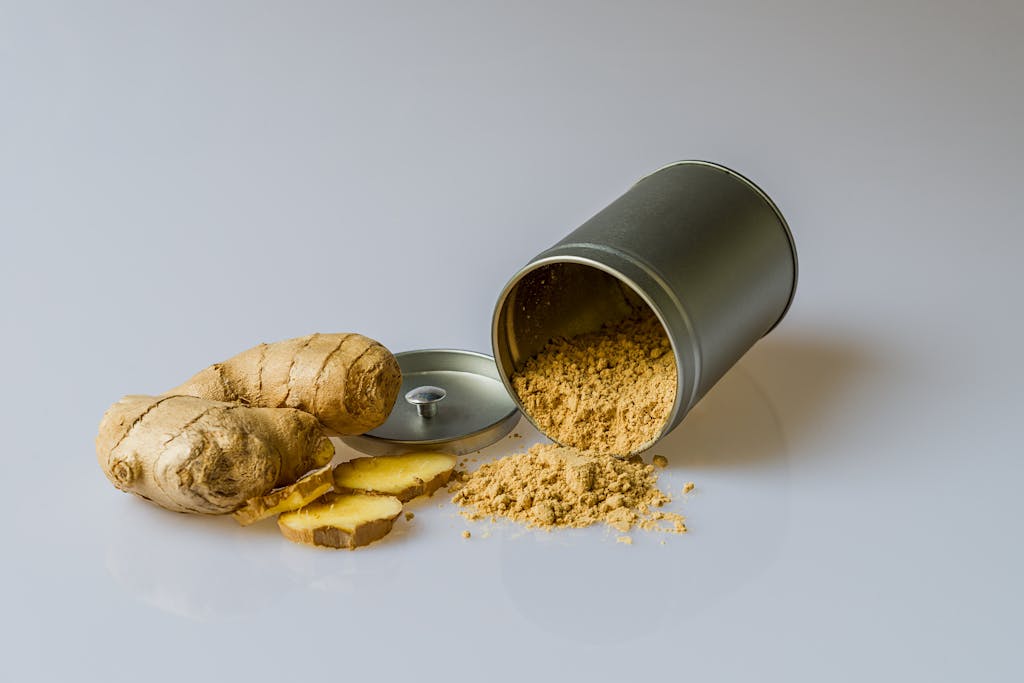
Ginger, a versatile and aromatic root, is a staple in many kitchens worldwide. Known for its medicinal properties and distinctive flavor, ginger is also a rewarding plant to grow in your
This post may contains affiliate links. If you click and make a purchase, I may earn a small commission at no extra cost to you. I only recommend products I personally use or genuinely believe in. Thank you for supporting 100 Perfect Gifts.
Growing Ginger in My Garden
I have grown ginger in the south for 6 years now. It is a blessing to be able to walk out in the
Why Grow Ginger?
Ginger (Zingiber officinale) is valued not only for its culinary uses but also for its health benefits. It’s known to aid digestion, reduce inflammation, and boost immunity. Growing your own ginger ensures you have a fresh supply, free from pesticides and additives.
Choosing the Right Ginger Rhizome
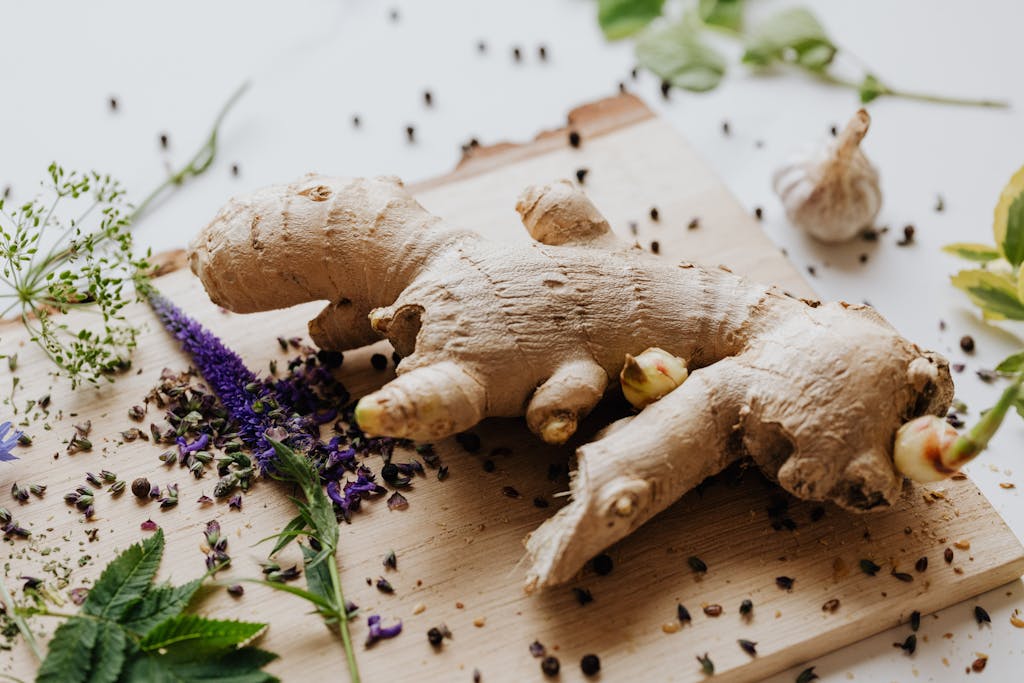
Selecting Healthy Rhizomes: Start with a fresh ginger rhizome from a grocery store or
Organic Preference: Opt for organic ginger to avoid treated rhizomes that might inhibit growth.
Preparing for Planting
Climate Considerations: Ginger thrives in warm, humid conditions. It’s best suited for USDA zones 7-12
.
Indoor Growing: If you live in a cooler climate, you can grow ginger indoors in pots.
Planting Ginger
Soil Preparation: Use well-draining soil rich in organic matter. A mix of potting soil and compost works well.
Container Choice: Choose wide, shallow containers to accommodate the horizontal growth of ginger rhizomes.
Planting Depth: Plant the rhizome 2-4 inches deep with the buds facing up. Space multiple rhizomes 6-8 inches apart.

Caring for Ginger Plants
Watering: Keep the soil consistently moist but not waterlogged. Ginger prefers regular, light watering.
Mulching: Mulch helps retain moisture and keeps weeds at bay. Use straw or compost as mulch.
Fertilizing: Feed ginger plants with a balanced liquid fertilizer every few weeks.
Harvesting Ginger
Harvest Time: Ginger is typically ready to harvest 8-10 months after planting. For young ginger, you can harvest after 3-4 months.
Harvesting Method: Gently dig around the plant to lift the rhizome. Be careful not to damage the roots.
Storage: Store harvested ginger in a cool, dry place. It can also be frozen or dried for longer shelf life.
Pest and Disease Management
Common Pests: Watch out for pests like aphids, spider mites, and root-knot nematodes. Use organic insecticides or neem oil to control infestations.
Disease Prevention: Ensure proper drainage to prevent root rot and fungal diseases. Rotate crops annually to avoid soil-borne diseases.
Companion Planting and Crop Rotation
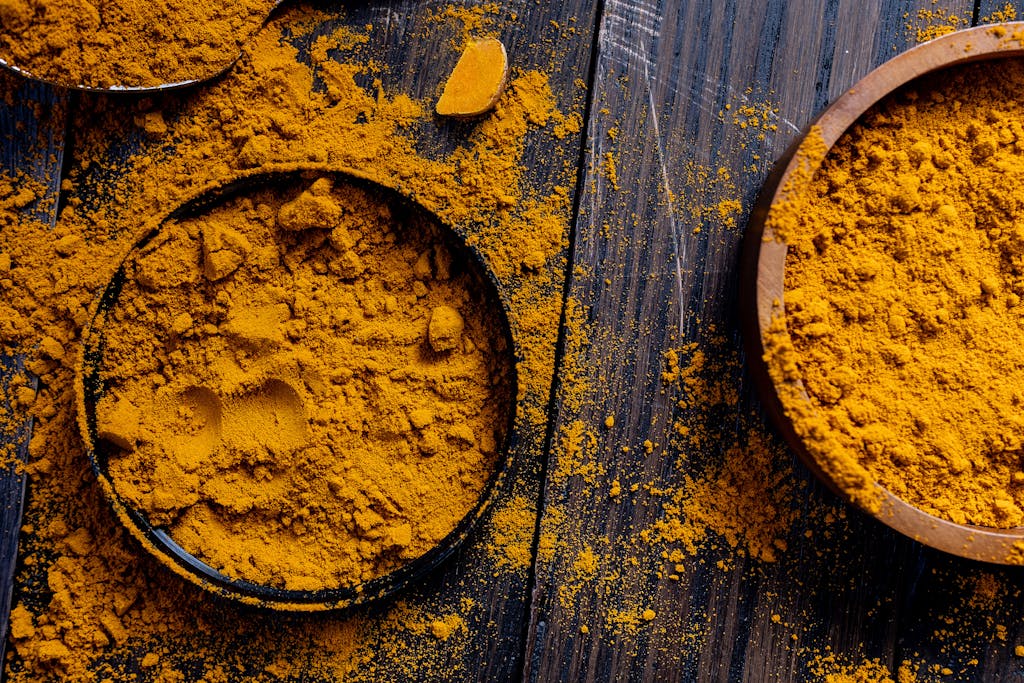
Companion Plants: Grow ginger alongside plants like turmeric, garlic, and basil to deter pests and enhance growth. Tumeric and ginger can be grated or ground for cooking.
Crop Rotation: Rotate ginger with legumes or leafy greens to maintain soil fertility and reduce disease risk.
Troubleshooting Common Issues
Yellowing Leaves: This can indicate overwatering, poor drainage, or nutrient deficiency. Adjust watering practices and check soil quality.
Slow Growth: Ensure your ginger is receiving adequate light, warmth, and nutrients.
Using Your Homegrown Ginger
Culinary Uses: Fresh ginger can be grated, sliced, or chopped for use in teas, soups, stir-fries, and baked goods.
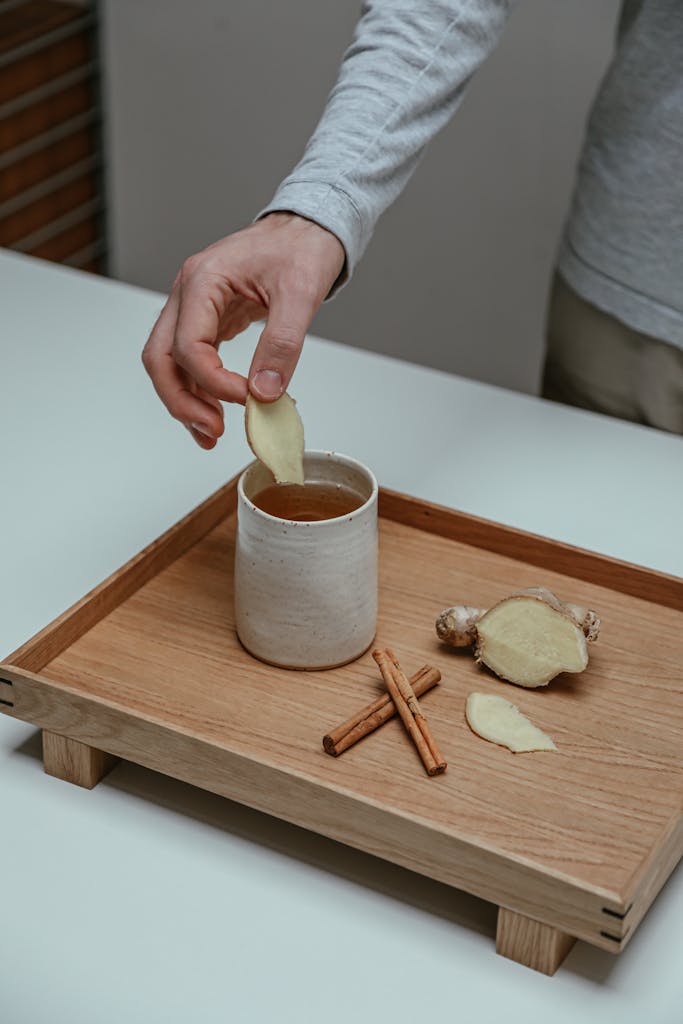
Medicinal Uses: Make ginger tea to soothe a sore throat or aid digestion. Use ginger compresses for muscle pain relief. I use ginger in my tea almost every day. Ginger has antifungal properties too.
This is a great article on the medicinal benefits of ginger from Johns Hopkins
Conclusion
Growing ginger in your