
Bananas why are they rotting so quickly

Why are bananas rotting so fast
Bananas rotting, they can be found in almost every kitchen. I have been asking myself this very question for a few months now. One can not help but notice, if you buy five or six bananas, unless you eat alot of bananas, by day six, you need to make banana bread!
This post may contains affiliate links. If you click and make a purchase, I may earn a small commission at no extra cost to you. I only recommend products I personally use or genuinely believe in. Thank you for supporting 100 Perfect Gifts.
I am going to share what I found as possible reasons. Digesting all of these reasons makes me think, maybe it is more than just these reasons.
Climate Change: Global warming has led to higher temperatures and humidity levels in many regions. Bananas are sensitive to temperature, and warmer conditions accelerate the ripening process, leading to quicker spoilage.
Post-Harvest Practices: The methods used to harvest, transport, and store bananas have evolved over time. If bananas are exposed to ethylene gas (which they naturally produce) in higher concentrations during transport or storage, this can speed up ripening. Additionally, bananas are often picked earlier to ripen during transit, which can make them more susceptible to rapid spoilage once they reach consumers.
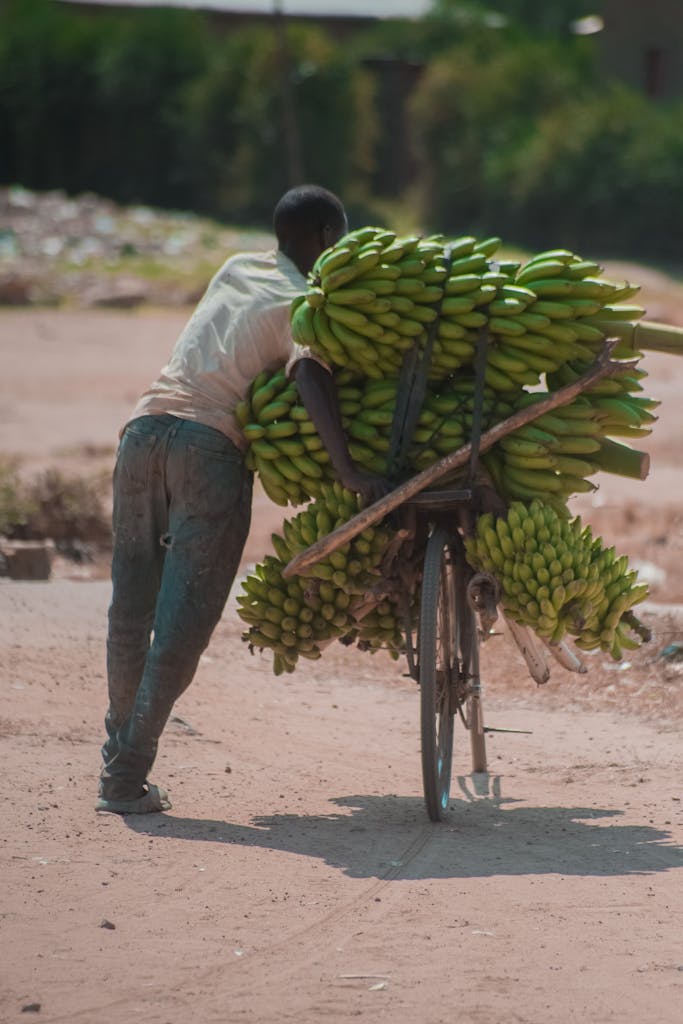
Storage Conditions: Modern homes are often kept warmer due to improved insulation and heating systems. If bananas are stored in these warmer conditions, they will ripen faster. Additionally, storing bananas near other fruits that emit ethylene gas, such as apples or tomatoes, can hasten ripening.
Variety and Quality: The specific variety of bananas and the quality of the produce can also play a role. Some varieties may be more prone to quicker ripening, and if bananas are not handled properly at any point in the supply chain, they may deteriorate faster.
Picture Courtesy of Fine Dining Lovers
I thought about all these reasons as a possibility. I quickly remembered, wait, these same conditions could have existed 10 years ago. I do not remember bananas rotting as fast back then. I thought, this needs further investigation.
Changes in Banana Cultivation and Supply Chains: Over the past 20 years, there have been significant changes in agricultural practices, banana varieties, and supply chain logistics. The dominance of the Cavendish banana, which is the most widely consumed variety globally, has made the banana supply chain more vulnerable. If these bananas are more susceptible to disease or stress due to changing farming practices, it could lead to quicker ripening and spoilage. Wait, one banana variety ? Well that calls for deeper digging.
What are the Top Banana Producing Countries
Here’s a list detailing the top banana-producing countries, the estimated number of bananas produced annually, and the production rates:
India
Annual Production: Approximately 30 million metric tons
Global Share: Around 26% of the world’s banana production
China
Annual Production: Approximately 11 million metric tons
Global Share: About 10% of the world’s banana production
Indonesia
Annual Production: Approximately 7 million metric tons
Global Share: Around 6% of the world’s banana production
Philippines
Annual Production: Approximately 6 million metric tons
Global Share: Around 5% of the world’s banana production
Ecuador
Annual Production: Approximately 6 million metric tons
Global Share: Around 5% of the world’s banana production
Brazil
Annual Production: Approximately 6 million metric tons
Global Share: Around 5% of the world’s banana production
Colombia
Annual Production: Approximately 4 million metric tons
Global Share: Around 3.5% of the world’s banana production
Tanzania
Annual Production: Approximately 3 million metric tons
Global Share: Around 3% of the world’s banana production
Guatemala
Annual Production: Approximately 3 million metric tons
Global Share: Around 2.5% of the world’s banana production
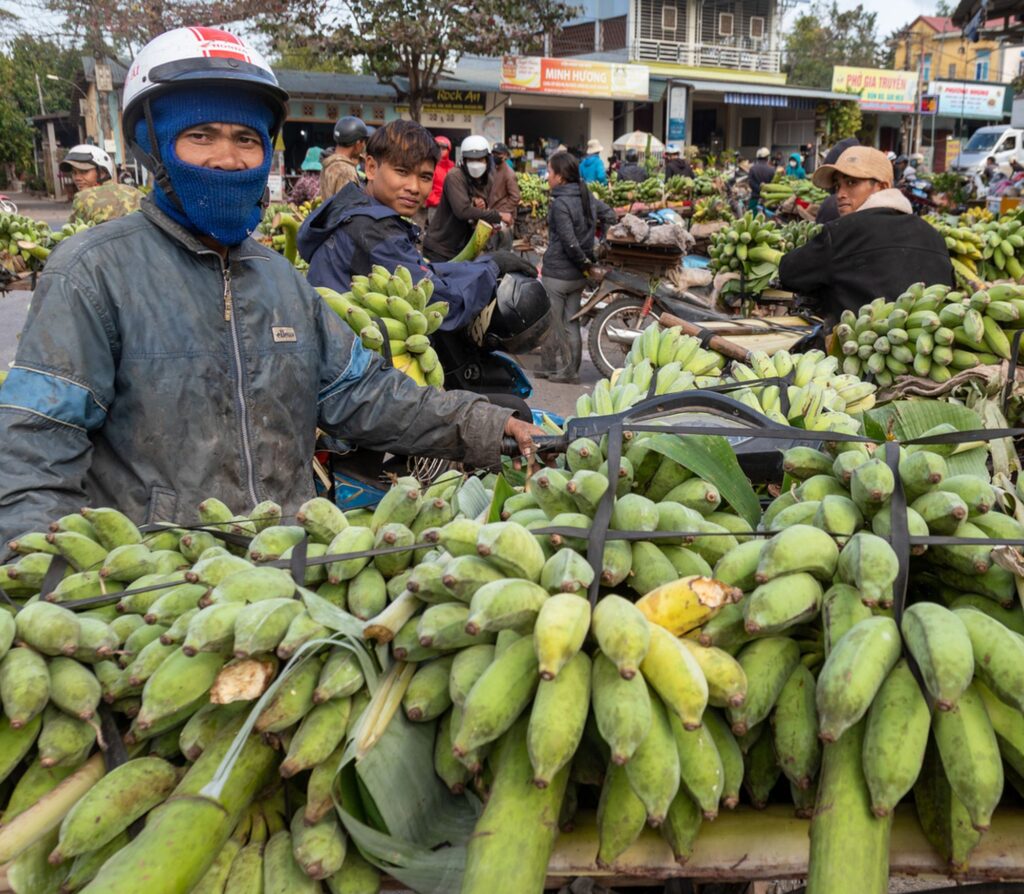
Vietnam
Annual Production: Approximately 2 million metric tons
Global Share: Around 2% of the world’s banana production
Global Overview:
Total Global Production: Approximately 120 million metric tons annually
Top Producers: India, China, Indonesia, and the Philippines are the leading producers, contributing to a significant portion of global banana production.
Production Rate:
The production rate varies widely depending on the country and region. For example, India’s large-scale production is driven by favorable climatic conditions and extensive cultivation areas, while countries like Ecuador focus heavily on banana exports, contributing to their high production numbers.
This list represents the major contributors to global banana production and gives an overview of the volume and rate of production worldwide.
I admit, I was somewhat taken back by where bananas are produced. Have you noticed that larger banana in the information above? I have seen it myself in the grocery store. I have also seen small bananas on the same shelf. I know now how that is possible from the information I found
How many banana varieties are there?
It turns out, there are alot more that I thought
1. Cavendish Banana
Description: The most common and widely consumed banana variety globally. It is sweet, with a smooth texture, and is the standard variety found in supermarkets.
Production Regions: India
Ecuador
Philippines
Costa Rica
Colombia
Brazil
2. Plantain (Cooking Banana)
Description: Larger and starchier than the Cavendish, plantains are often cooked before eating. They are a staple in many tropical regions and can be fried, boiled, or baked.
Production Regions: Nigeria
Ghana
Cameroon
Uganda
Colombia
India
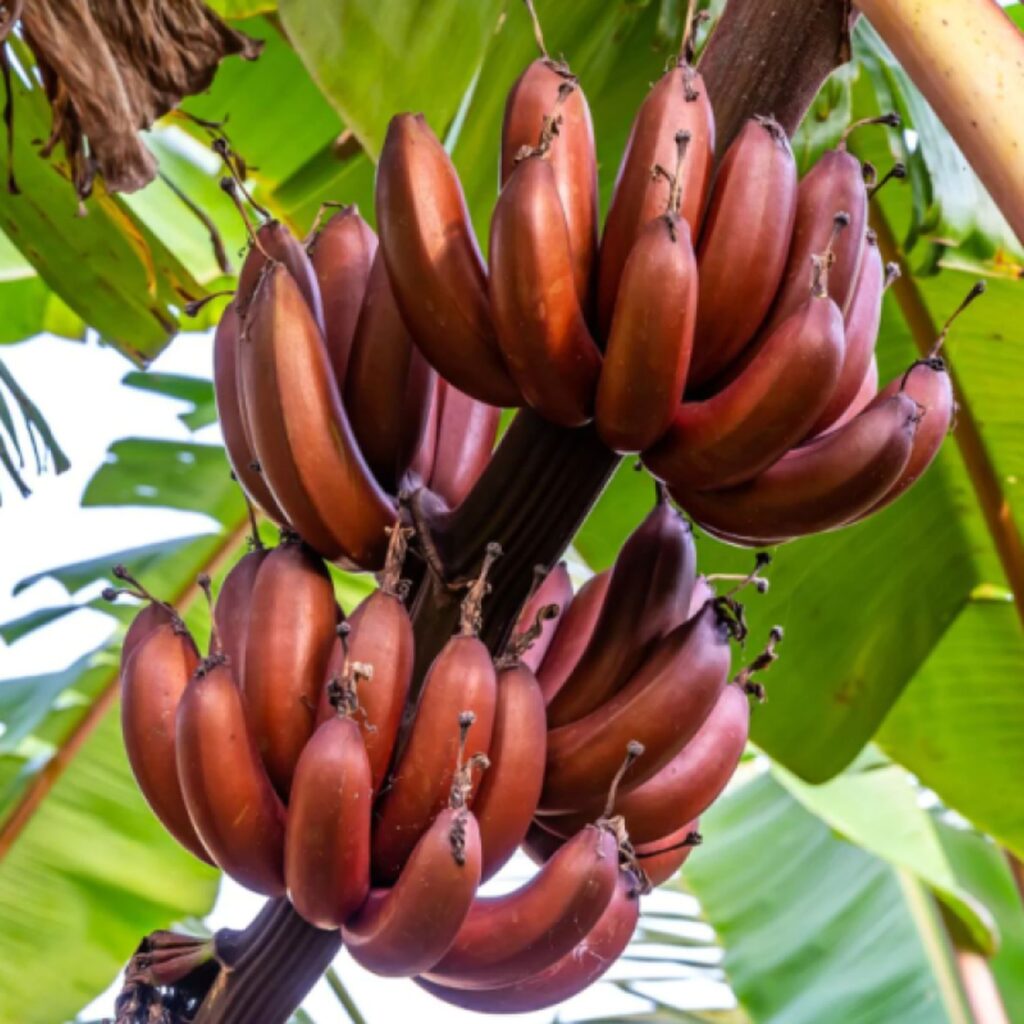
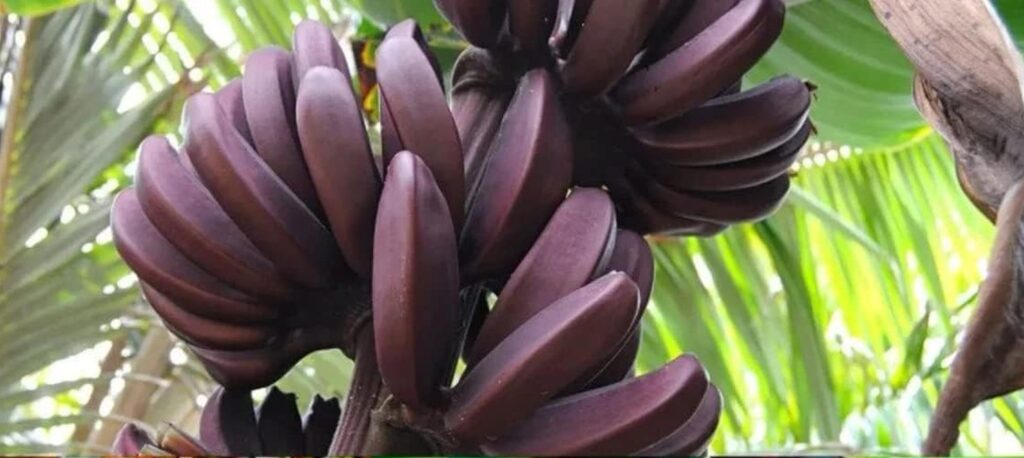
3. Red Banana
Description: These bananas have reddish-purple skin and a sweeter, sometimes raspberry-like flavor. They are less common but popular in specific regions.
Production Regions:India (notably in Kerala)
Central America (e.g., Costa Rica)
Southeast Asia (e.g., the Philippines)
4. Lady Finger (Sugar Banana)
Description: Smaller and sweeter than the Cavendish, Lady Finger bananas are often enjoyed as snacks and are sometimes known as “Baby Bananas.”
Production Regions: Australia
Thailand
Malaysia
Brazil
Central America (e.g., Honduras)
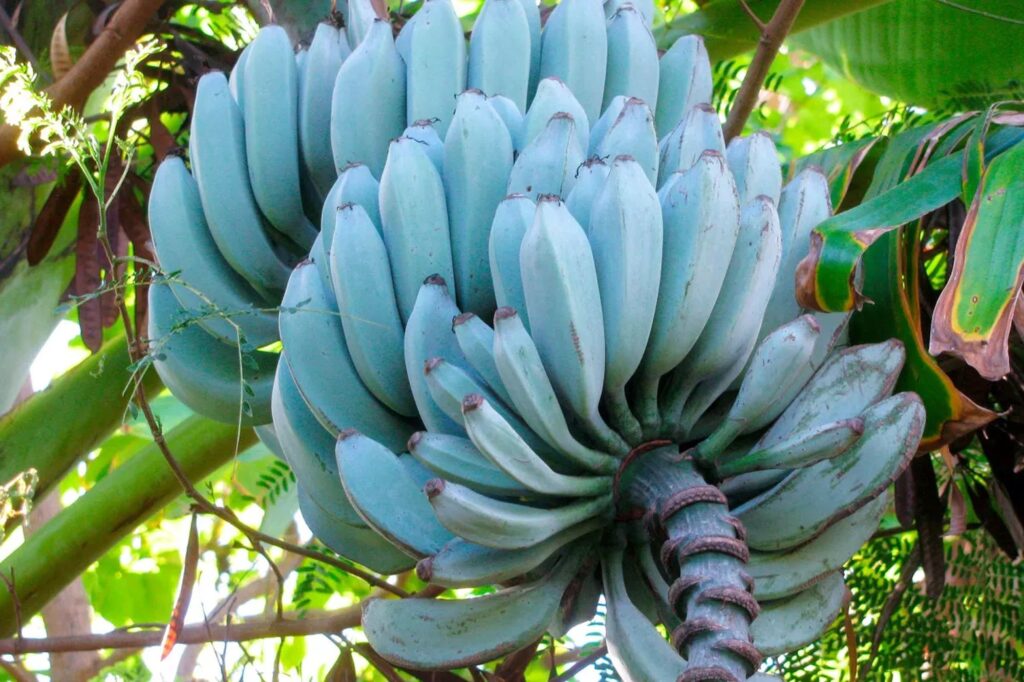
5. Blue Java (Ice Cream Banana)
Description: Known for its blue skin when unripe and its vanilla-like flavor, Blue Java bananas are popular in some niche markets.
Production Regions: Hawaii (USA)
Southeast Asia (e.g., the Philippines)
Central America
6. Gros Michel (Big Mike)
Description: Once the dominant banana variety before being largely wiped out by Panama disease in the 1950s, Gros Michel is making a comeback in some areas. It is larger and creamier than the Cavendish.
Production Regions: Central America
Southeast Asia
Some Caribbean Islands
7. Pisang Raja
Description: Popular in Indonesia, these bananas are used in various traditional dishes and have a sweet, rich flavor.
Production Regions: Indonesia
Malaysia
Thailand
8. Manzano (Apple Banana)
Description: Shorter and plumper with a mild apple-like flavor, these bananas are popular in tropical regions and are often eaten as snacks.
Production Regions: Central America (e.g., Mexico, Honduras)
South America (e.g., Ecuador)
The Caribbean
9. Barangan
Description: A sweet variety with a thin skin that often has small black spots. It is commonly eaten fresh.
Production Regions: Indonesia
Malaysia
The Philippines
10. Burro Banana
Description: A shorter, blockier banana with a tart, lemony flavor. Often used in cooking when unripe and eaten fresh when ripe.
Production Regions: Mexico
Central America
11. Red Dacca
Description: Similar to the Red Banana, but this variety is particularly popular in Australia, where it’s known for its sweetness and color.
Production Regions: Australia
Southeast Asia
12. Maqueño (Orinoco)
Description: A versatile variety used for both cooking and eating fresh. It has a thick skin and a mild, slightly sweet flavor.
Production Regions: Central America
Caribbean
13. Goldfinger
Description: A newer hybrid variety that is resistant to diseases like Panama disease. It is similar in taste to the Cavendish but slightly more tart.
Production Regions: Australia
Honduras
The Philippines
These are just a few of the many banana varieties grown around the world. Different climates, soils, and cultural preferences contribute to the diversity of bananas, making them one of the most versatile and widely consumed fruits globally.
Back to why bananas are rotting
Changes in Banana Cultivation and Supply Chains: Over the past 20 years, there have been significant changes in agricultural practices, banana varieties, and supply chain logistics. The dominance of the Cavendish banana, which is the most widely consumed variety globally, has made the banana supply chain more vulnerable. If these bananas are more susceptible to disease or stress due to changing farming practices, it could lead to quicker ripening and spoilage.
Pesticide and Chemical Use: There have been shifts in the use of pesticides, fungicides, and other chemicals over the past two decades. Some of these chemicals might have unintended effects on the ripening process or on the fruit’s shelf life. Additionally, there’s been a movement towards more organic farming, which can reduce the use of certain preservatives that might slow ripening.
Supply Chain Speed and Efficiency: As supply chains have become more efficient, bananas might be reaching stores faster but also at a more advanced stage of ripeness. In the past, bananas might have spent more time in transit or storage, where they could be kept in controlled environments. Now, they may reach consumers at a later stage of ripeness due to quicker transport methods, leading to shorter shelf lives at home.
Genetic Uniformity: The widespread cultivation of the Cavendish banana has led to genetic uniformity in the global banana crop. This lack of genetic diversity can make bananas more susceptible to ripening and rotting quickly if exposed to certain environmental factors or stressors, as they all react similarly.
Consumer Habits and Expectations: Modern consumers often prefer to buy bananas that are closer to peak ripeness rather than green bananas, which was more common in the past. As a result, stores may stock bananas that are already close to fully ripe, leading to a shorter window before they start to spoil at home.
Refrigeration and Storage Practices: Changes in how we store bananas can also play a role. If bananas are stored in conditions that fluctuate between warm and cold (for example, in modern homes with varying temperatures or in refrigerators that are frequently opened), this can stress the fruit and cause it to ripen unevenly or spoil faster.
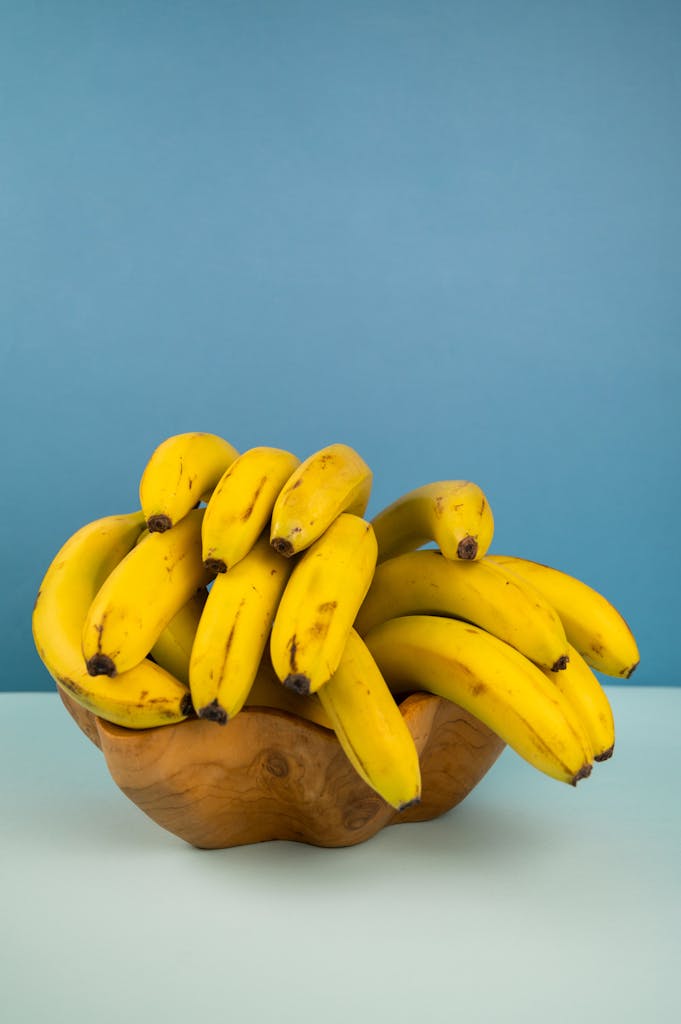
Let’s talk about the chemical that is being sprayed on bananas
Bananas are often treated with various substances during their journey from farm to market to ensure they ripen at the right time and remain in good condition during transit. Here’s a breakdown of what is typically used, whether it’s harmful, and if it can be washed off:
1. Ethylene Gas
Purpose: Ethylene gas is a natural plant hormone that promotes ripening. In commercial settings, bananas are often exposed to ethylene gas to trigger uniform ripening after they’ve been transported while still green.
Safety: Ethylene gas is not harmful to humans. It’s a natural compound that fruits like bananas, apples, and tomatoes naturally produce. The gas dissipates quickly, so there’s no residue left on the fruit.
Can It Be Washed Off?: Since ethylene is a gas, there’s nothing to wash off.
2. Fungicides
Purpose: Fungicides are commonly used on bananas to prevent fungal diseases like crown rot, anthracnose, and black Sigatoka, which can affect the fruit during storage and transit.
Common Chemicals: Some of the commonly used fungicides include thiabendazole, imazalil, and pyrimethanil.
Safety: These chemicals are generally considered safe in the small amounts used, but they are still pesticides. There is ongoing debate about the long-term effects of exposure to fungicide residues, especially if they accumulate in the body. Regulatory agencies like the FDA and EPA in the U.S. set maximum residue limits to ensure safety.
Can It Be Washed Off?: Washing bananas under running water can remove some of the surface residues of fungicides. However, since bananas have thick peels, the amount of pesticide that penetrates to the edible part is minimal. Peeling the banana before eating it further reduces exposure.
3. Insecticides
Purpose: Insecticides are used to protect banana plants from pests like nematodes, aphids, and weevils, which can damage the plants and fruit.
Common Chemicals: Insecticides such as chlorpyrifos and diazinon have been used, though their use is regulated or banned in some countries due to health concerns.
Safety: As with fungicides, insecticides used on bananas are regulated to minimize harmful residues. However, there are concerns about the cumulative effects of these chemicals on health, particularly in countries where regulations are less strict.
Can It Be Washed Off?: Like fungicides, washing the peel under running water can help remove some of the insecticide residues. Peeling the banana eliminates most of the risk, as the chemicals are primarily on the skin.
4. Ripening Agents
Purpose: In addition to ethylene gas, some bananas may be treated with ripening agents to control the timing of ripening. Calcium carbide is an illegal and unsafe ripening agent that has been used in some countries, though its use is banned in many places due to serious health risks.
Safety: Legal ripening agents like ethylene are safe, but illegal substances like calcium carbide can be harmful, causing serious health issues.
Can It Be Washed Off?: If calcium carbide has been used, it may leave residues that can’t easily be washed off. It’s advisable to avoid consuming such bananas, and to be aware of the risks in areas where its use is known.
Photo courtesy of Less Saves the Planet
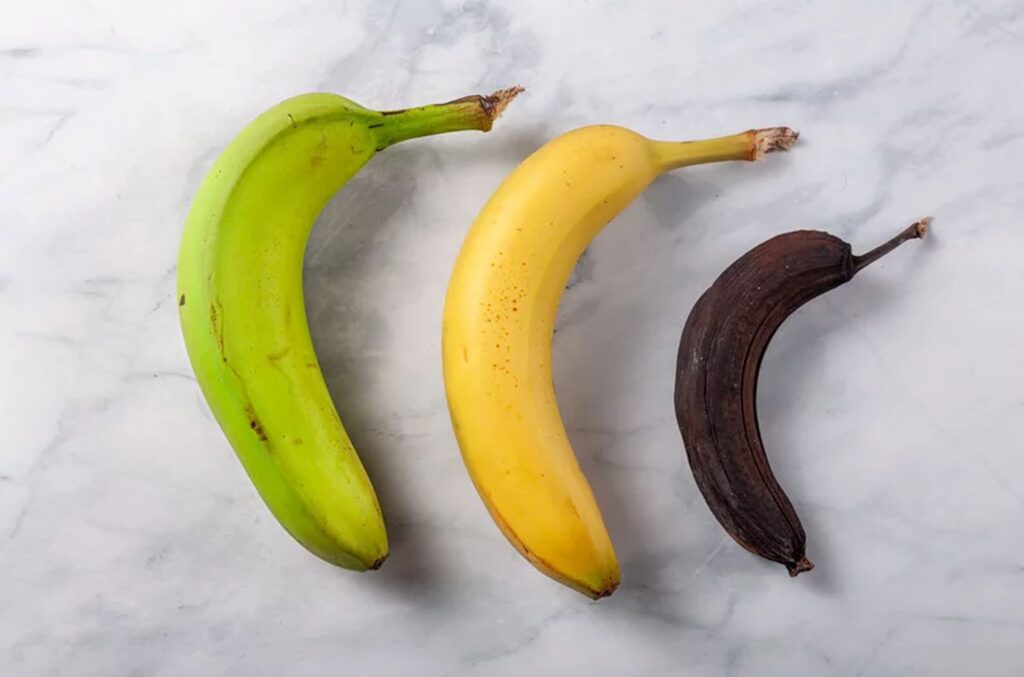
How to slow down bananas from rotting
Separate Bananas from Other Fruits: Bananas produce ethylene gas, which speeds up ripening. Store bananas away from other ethylene-producing fruits like apples, pears, and tomatoes to slow the ripening process.
Store Bananas at Room Temperature: Keep bananas at room temperature until they reach the desired ripeness. Once they are ripe, you can refrigerate them to slow down further ripening. The peel may darken in the refrigerator, but the fruit inside will remain fresh for a longer period.
Use Plastic Wrap on Stems: Wrapping the stems of bananas in plastic wrap or aluminum foil can help reduce the amount of ethylene gas released by the bananas, slowing down the ripening process. This is especially useful if you want to keep a bunch of bananas fresh for longer.
Hang Your Bananas: Hanging bananas on a banana hook or in a basket allows for better air circulation around the fruit, reducing the risk of bruising and helping them last longer.
Purchase Bananas in Varying Stages of Ripeness: When buying bananas, select some that are green and some that are already ripe. This way, you can eat the ripe ones first while allowing the green ones to ripen gradually over time.
Freeze Overripe Bananas: If you notice your bananas are getting too ripe, peel them and freeze them. Frozen bananas are great for smoothies, baking, or even as a quick snack.
Use a Banana Keeper: Consider using a banana keeper or bag designed to slow down the ripening process. These containers help control the humidity and temperature, keeping bananas fresher for longer.
Avoid Direct Sunlight and Heat: Store bananas in a cool, shaded area of your kitchen, away from direct sunlight or heat sources, which can accelerate ripening.
Regularly Monitor and Rotate: Check your bananas daily and rotate them as needed. Move bananas that are ripening faster to the front, so they get used first.
Use Lemon Juice for Sliced Bananas: If you’ve cut a banana and want to keep it from browning, a light coating of lemon juice can help prevent oxidation, keeping the slices fresh for a longer period.
By following these tips, you can better control the ripening process and reduce waste, ensuring your bananas last as long as possible.
This is only the beginning
Looking into the production of bananas, I never thought would be this in depth, but yet, there is more! I will continue to follow the path of the banana