Pawleys Island: History, Legends, and Culinary Traditions of a Coastal Haven

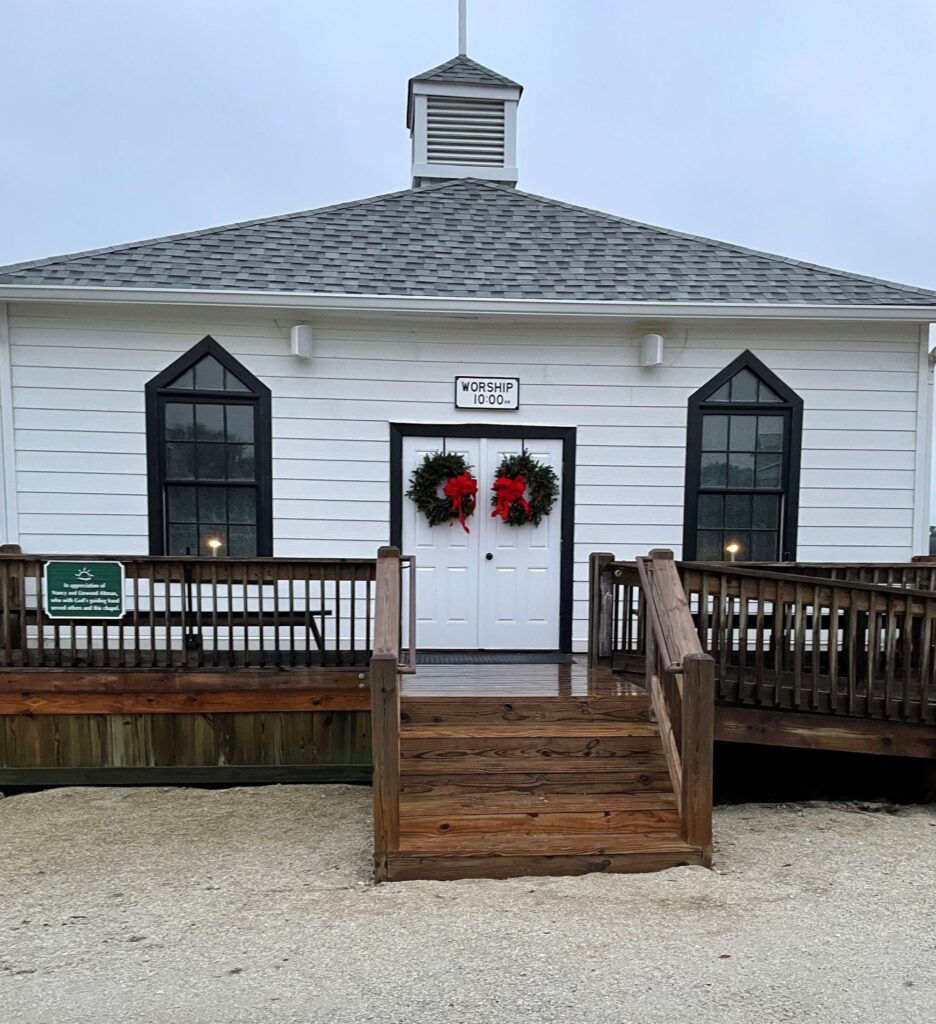
I was blessed to have been able to grow up on Pawleys Island. There is no other experience I can compare it to. From swimming in the creak, to trolling for flounder, crabbing or seining for shrimp. We did it all. I thought nothing of going to the beach at night alone to fish or swim, which I did often. I wanted to share this wonderful place called Pawleys Island with you. The church I was married in, The Pawleys Island Chapel still stands.
This post may contains affiliate links. If you click and make a purchase, I may earn a small commission at no extra cost to you. I only recommend products I personally use or genuinely believe in. Thank you for supporting 100 Perfect Gifts.
Take a moment and read about this beautiful chapel on the marsh
Photo Credit: Pawleys Island Chapel – Photo by Suzanne Doyle
Pawleys Island, South Carolina, is a place where history, folklore, and food all come together. They create a seamless blend that captures the essence of Southern culture. This small barrier island is located about 25 miles south of Myrtle Beach. It is beloved for its natural beauty, relaxed atmosphere, and deep-rooted traditions. Ancient legends like the Gray Man whisper stories of mystery. The unforgettable flavors of Lowcountry cuisine captivate visitors. Pawleys Island offers a window into a world where time slows down. Life is celebrated in simple, meaningful ways.
In this post, we’ll explore Pawleys Island from several angles. We will delve into its rich history. We will also discover its most famous legends. Finally, we will explore its culinary traditions. These traditions are as much a part of the island’s identity as its beaches and marshlands.
A Brief History of Pawleys Island
Pawleys Island is one of the oldest resort areas on the East Coast, dating back to the 1700s. Its early inhabitants were European settlers, primarily rice planters who used the island as a summer retreat. The island provided refuge from the oppressive heat and mosquitoes that plagued the inland plantations during the warmer months.
The island was named after George Pawley, one of the early landowners in the area. Like many wealthy plantation owners of the time, George and his family moved to the island during the summer months. Others would join them. The cooler ocean breezes offered relief from the inland humidity, and the isolation of the island provided a peaceful escape.
However, Pawleys Island is not just about serenity and leisure. It has weathered its share of storms—both literal and metaphorical. In the late 1800s, a devastating hurricane swept across the island, causing widespread destruction. Many of the original homes were destroyed, but the resilient spirit of Pawleys Island’s inhabitants endured. Over time, the community rebuilt, and the island’s charm was preserved for future generations to enjoy.
Today, Pawleys Island remains largely untouched by the rapid development seen in nearby areas. Its historic district, characterized by old cottages with wraparound porches, continues to evoke the feeling of stepping back in time.
The Legend of the Gray Man
No discussion of Pawleys Island would be complete without mentioning one of its most famous legends: the Gray Man. The Gray Man is a ghostly figure said to appear before major storms, warning residents of impending danger. The first recorded sighting dates back to 1822, just before a powerful hurricane struck the island.
The Gray Man is the spirit of a young man. He was returning to Pawleys Island to reunite with his fiancée. Tragically, he was caught in quicksand and died before reaching her. Heartbroken, the young woman grieved his loss but was later comforted by his ghostly presence. He warned her to leave the island, and she and her family escaped just before a massive storm hit.
To this day, the legend persists. Many locals claim to have seen the Gray Man before significant hurricanes, including the infamous Hurricane Hugo in 1989. Those who heed his warning and evacuate often find their homes spared from the worst of the storm’s destruction. The Gray Man has become a symbol of protection for the island’s residents. He embodies both the folklore and the deep connection that Pawleys Islanders have to their land.
The Influence of Early Inhabitants and the Gullah Culture
European settlers and rice planters were some of the island’s first inhabitants. However, it’s impossible to discuss the history of Pawleys Island without acknowledging the contributions of the Gullah people. The Gullah are descendants of enslaved Africans who were brought to the Lowcountry to work on rice plantations. Over time, the Gullah developed a unique culture that blends African traditions with the influences of the American South.
Gullah culture has had a profound impact on the cuisine, language, and traditions of Pawleys Island. Many of the island’s most famous recipes have roots in Gullah cooking. These include rice-based dishes, seafood stews, and okra-based meals. The Gullah people were experts at using the resources available to them—rice, shrimp, crab, oysters, and seasonal vegetables. They used these resources to create flavorful, nourishing meals. These meals have become staples of Lowcountry cuisine.
The Gullah’s connection to the land and sea is also reflected in their spiritual beliefs and folklore. The Gray Man is just one of many ghost stories from this area. Here, the line between the physical and spiritual worlds is often seen as blurred. For the Gullah people, food, land, and history are all interconnected. These connections continue to influence Pawleys Island’s culture today.
Pawleys Island Cuisine: A Fusion of History and Flavor
A typical Pawleys Island Table – We always had room
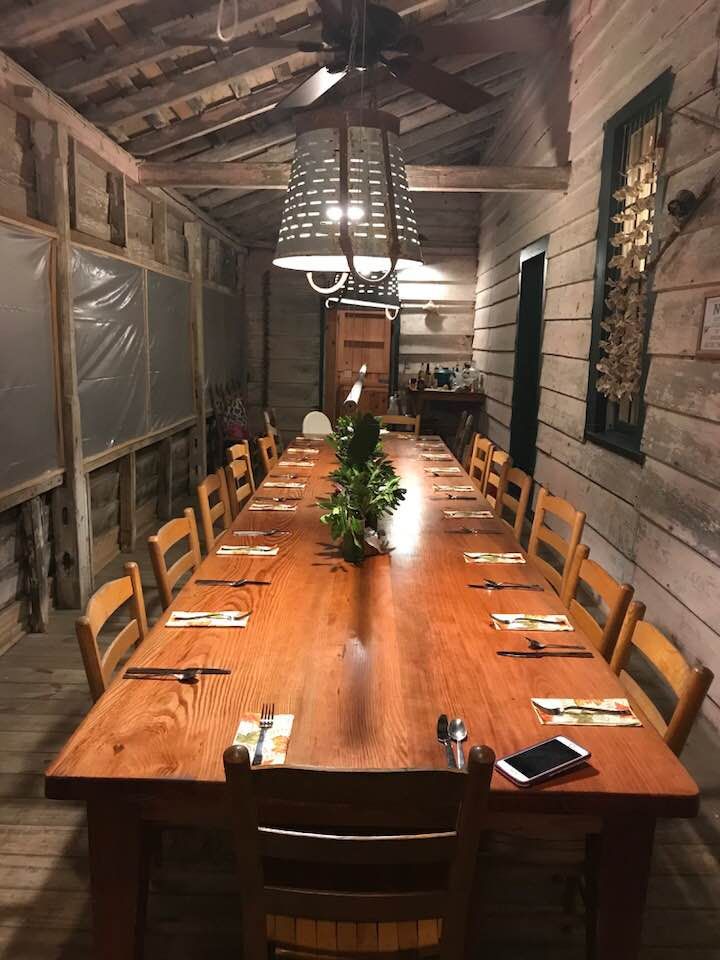
The culinary traditions of Pawleys Island are as rich as its history. The island’s recipes have been shaped by centuries of interaction between different cultures. They have also been influenced by the natural resources of the coastal region. Pawleys Island cuisine respects the land and sea. Ingredients are often sourced locally. They are prepared simply to let their natural flavors shine.
Seafood is the undeniable star of the island’s culinary repertoire. Whether it’s shrimp, oysters, crab, or fish, seafood is a central element in many of the island’s most beloved dishes. For centuries, residents have depended on the Atlantic Ocean’s bounty. Nearby marshlands also provide fresh ingredients for their meals.
Pawleys Island is home to many iconic seafood dishes. It’s not just about what’s on the plate. It’s about the experience of coming together to enjoy these meals. Events like oyster roasts and Lowcountry boils are as much about the community as they are about the food. These meals are often enjoyed outdoors in the company of friends and family. They provide an opportunity to share stories. People savor flavors and celebrate the island’s heritage.
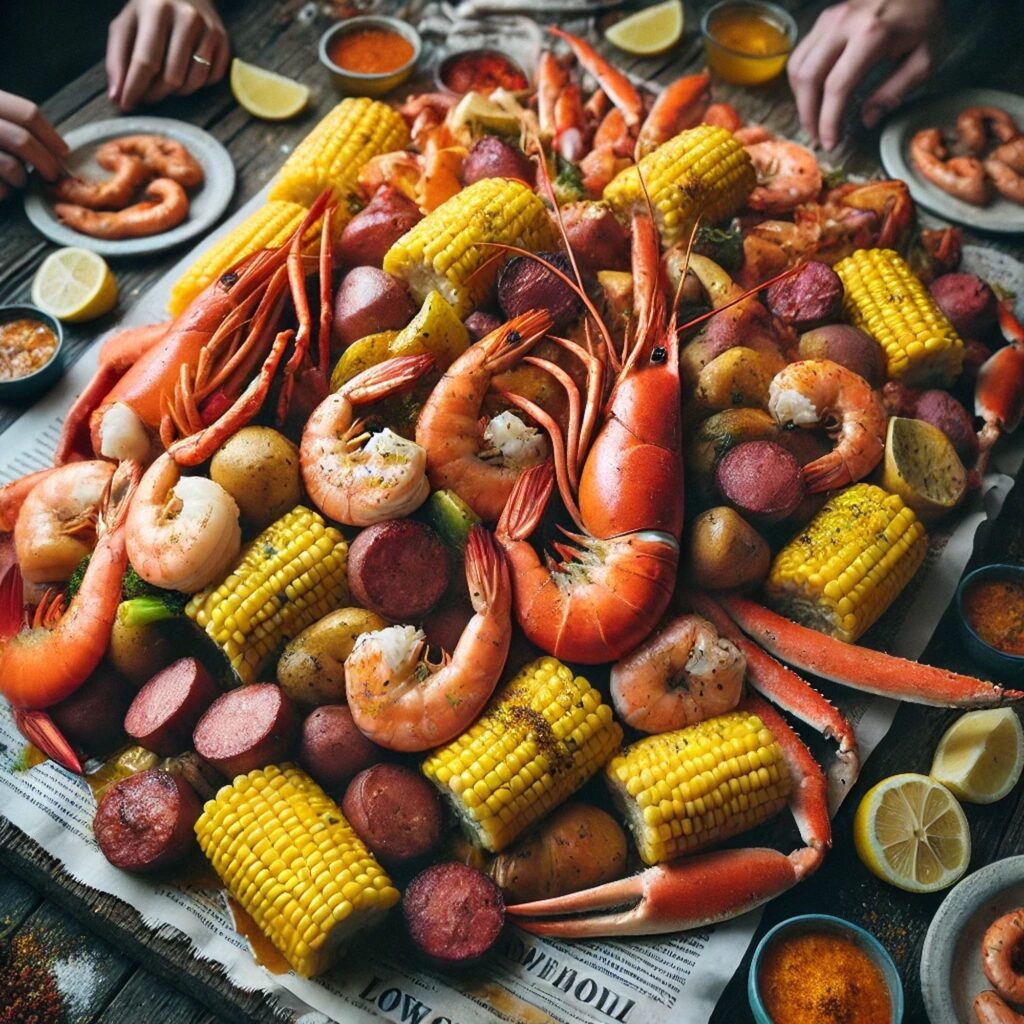
A Lowcountry boil is one of the most popular dishes on the island. It typically includes shrimp, sausage, corn, and potatoes, all boiled together in a seasoned broth. The ingredients are relatively simple. Still, the dish showcases fresh seafood and seasonal vegetables. It embodies a communal spirit.
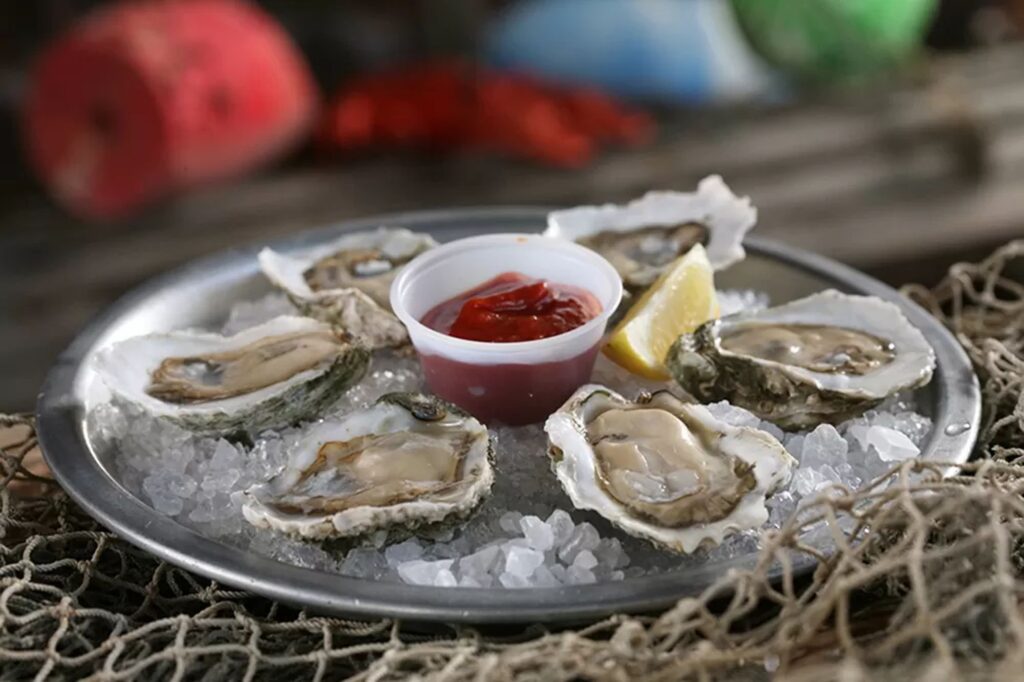
Similarly, the oyster roast is a beloved tradition on Pawleys Island. Oysters are harvested from the local waters and steamed until they’re easy to shuck. Locals and visitors alike gather around tables. They shuck and eat oysters. Often, they enjoy them with simple condiments like lemon, hot sauce, or butter. Oyster roasts are typically held in the cooler months. This is when oysters are at their best. They are often the centerpiece of holiday gatherings or special occasions.
Visit Pawleys Raw Bar while at Pawleys Island
Another seafood dish that exemplifies Pawleys Island’s culinary traditions is shrimp and grits. While variations of this dish can be found throughout the South, the Pawleys Island version is particularly special. It is made with locally caught shrimp and served over creamy grits. This dish combines the best of the island’s coastal and agricultural resources. Every family on the island seems to have its own version of shrimp and grits. There are slight variations in seasoning or preparation. However, the essence of the dish remains the same: a celebration of the region’s natural bounty.
Photo credit to Pawleys Raw Bar and Divine Dining
Recipes as a Cultural Artifact
In Pawleys Island, recipes are more than just a way to prepare food. They are cultural artifacts. These recipes are passed down through generations. Recipes are often shared within families. Many have been preserved for centuries. They serve as a direct link to the past. Preparing these dishes is crucial. When a family prepares a seafood feast, it helps preserve the island’s history and identity. Similarly, a restaurant serving traditional Southern fare contributes to this preservation.
Food on Pawleys Island is deeply tied to the community’s sense of place. Cooking and sharing meals have always been integral to life on the island. In the early days, rice planters and their families sought refuge here in the summer months. In modern times, locals and visitors alike come together to enjoy the island’s culinary treasures.
A key element of Pawleys Island cuisine is seasonality. The island’s residents have long relied on the natural cycles of the land and sea. These cycles determine what to cook and eat. Seasonal dishes, like Lowcountry boil in the summer, showcase the island’s close connection to nature. Similarly, oyster stew in the winter highlights this bond. Recipes handed down through generations are closely tied to the seasons. This ensures that each dish is made with the freshest possible ingredients.
This emphasis on seasonal, local ingredients is a reflection of the island’s history. Before modern transportation, accessing food from other regions was not easy. The people of Pawleys Island relied on what was available to them locally. They worked with the tides, the harvest seasons, and the rhythms of the natural world. They created meals that were both nourishing and delicious. Today, many of these traditions continue, with locals favoring ingredients that can be sourced close to home.
Pawleys Island Desserts: Sweet Endings to a Coastal Feast
While seafood may be the star of Pawleys Island cuisine, the island is also known for its sweet treats. Southern pecan pie and classic Southern biscuits are two desserts that have become synonymous with the region’s culinary identity. Visit one of our awesome bakeries here at Pawleys Island. Kudzu Bakery
Photo Compliments of Kudzu Bakery
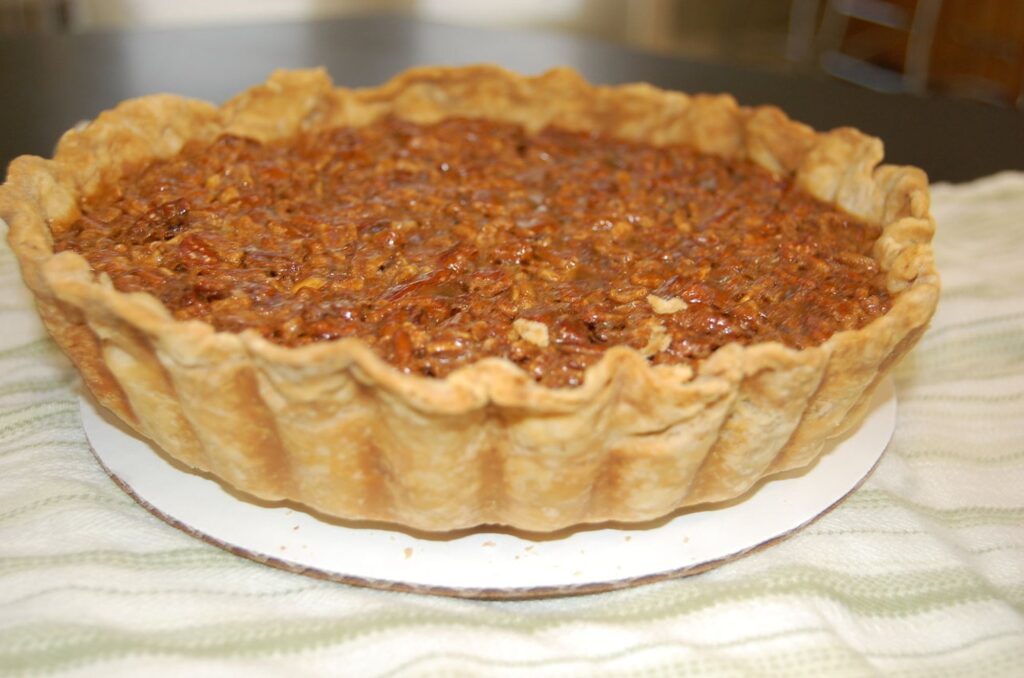
Pecan pie, with its rich, sweet filling and crunchy pecan topping, is a staple of Southern dessert tables. On Pawleys Island, it’s often served during holiday gatherings or as a special treat at family dinners. The recipe for pecan pie is simple, but its roots run deep in Southern culture. Every bite is a reminder of the region’s agricultural heritage and the importance of family and tradition in Southern life.
Southern biscuits are often thought of as a breakfast food. However, they can be transformed into sweet desserts. This transformation happens when paired with fruit preserves or honey. Pawleys Island families have perfected the art of biscuit-making, and the flaky, buttery result is a testament to the time and care that goes into preparing these